
pushyourdesign interiors is the interior design section of Push Your Design, a home-design blog found at pushyourdesign.com. It carries decorating advice, room-planning ideas and how-to articles, and the pages read show no shop, price list or booking form.
| Is pushyourdesign interiors a separate website? | No. Interior Design is one menu section of the main Push Your Design site. |
| What is the site’s tagline? | “Where design exceeds your imagination.” |
| Which menu sections are shown? | Home, Interior Design, Exterior Design, Design, About Us and Contact Us. |
| Who is named as the interior designer? | The editor’s pick on the home page is credited to interior designer Xandora Velquain. |
| Is there a decorating category? | Yes, a label called Decorating Tips appears on the home page. |
| Can you buy anything there? | Nothing on the home page points to a store or paid service. |
What is pushyourdesign interiors, and who writes it?
Push Your Design presents itself as a place for “expert design solutions for home interiors.” In practice, what a visitor meets is a magazine-style home page: a headline, a short pitch, a featured article and rows of recent posts, each tagged with a category and an author name.
The site’s own wording stresses a “personalized approach,” saying every home is unique, and it describes its blog as “curated with insightful articles, expert tips, and innovative ideas.” That is a publishing promise, not a studio portfolio. Nothing on the home page lists past client projects, a studio address or fees, so anyone expecting a design firm should treat the site as a reading resource first.
Several bylines show up across the listings, including Xandora Velquain, Joseph Perez, Emeline Patel and Shawn Garcia. The site does not explain how these writers were chosen, and no credentials beyond the “interior designer” label on the featured piece appear on the page that was read.
Which room questions does the interior side of pushyourdesign cover?
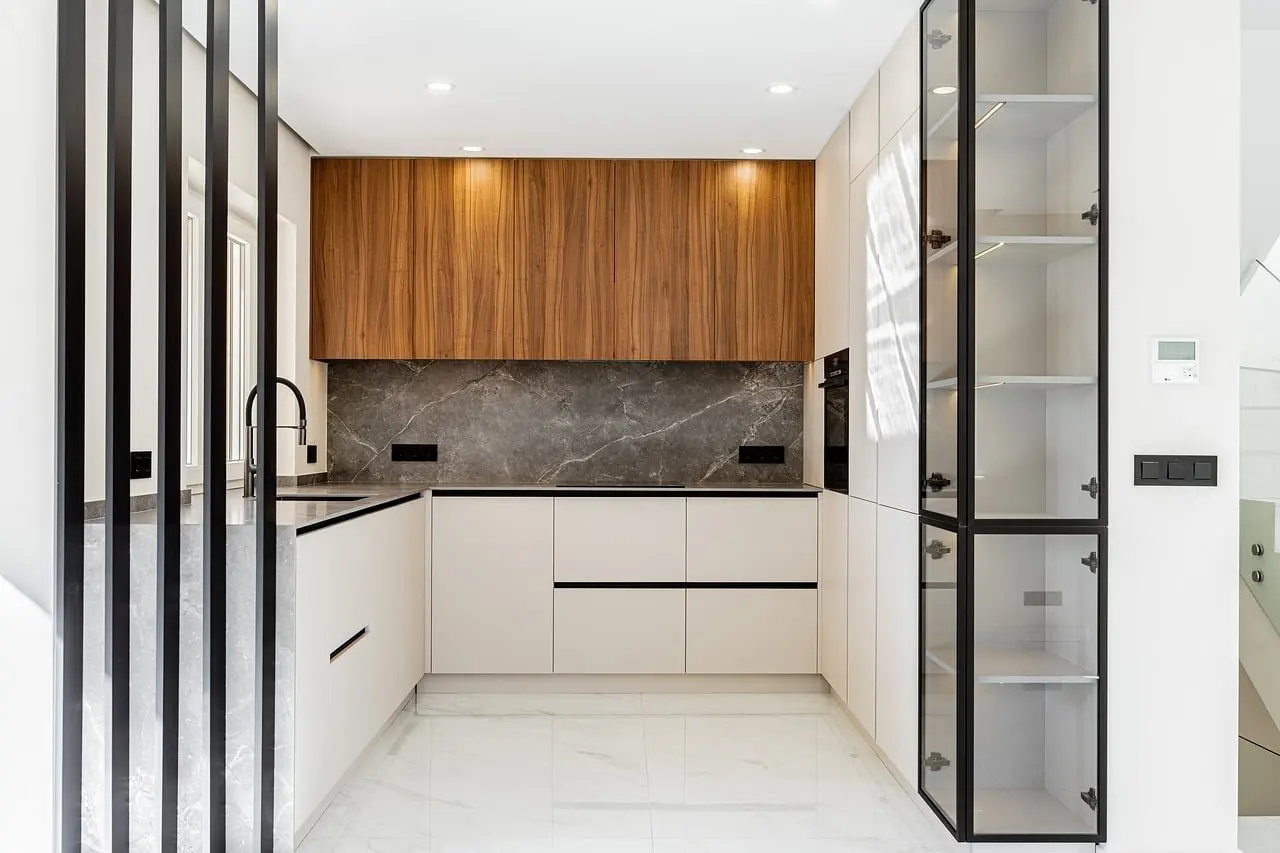
The Interior Design listings lean toward practical, single-room problems rather than abstract style theory. Titles on the home page include a history of the sectional sofa, advice on fitting mattresses into a polished interior, tips for smaller gaming rooms and storage ideas for small kitchens with custom cabinets.
Does it explain how interior design affects mood?
One listed title asks how interior design affects human psychology, so the topic is on the site. The home page only shows the headline, not the argument, so a reader would need to open the article itself to judge whether it cites research or simply offers opinion.
Is there help with flooring and surfaces?
A listing titled “Transform Your Floors: Creative Ideas” suggests floors get their own treatment. As with the other posts, the page read shows only the title, so details such as materials, costs or installation steps are unknown until the article is opened.
Are small spaces a theme?
Yes. Smaller gaming rooms and small kitchens both appear in the headlines, which suggests the editors favor constrained spaces over sprawling floor plans. That fits the way many people search: they have one awkward room and want a fix for it.
How do decorating tips pushyourdesign readers want actually appear?
People who type decorating tips pushyourdesign into a search box are usually after the site’s Decorating Tips label, which sits among the category tags on the home page. It is a tag attached to posts, not a standalone guide, so tips are spread across articles rather than collected in a single checklist.
A related habit is searching decorating pushyourdesign tips, as if the site had one tips page. The pages read do not show such a page. A better approach is to scan the Interior Design listings, then open the posts whose titles match the room being worked on.
Plain decorating pushyourdesign queries also tend to land on the home page, since that is where the featured pick and the newest posts sit. The home page rotates, so a headline seen today may be pushed down by newer posts within days.
Where does interior design pushyourdesign advice end and general home advice begin?
Anyone searching interior design pushyourdesign will notice that the site is broader than its name suggests. Alongside decorating pieces, the home page lists posts on replacing a shower, choosing a generator, roof replacement, hiring contractors and choosing a wood deck. The Exterior Design section adds posts on painting exterior brick, replacing an exterior door and running conduit through an exterior wall.
Is every post about decorating?
No. Many are home-maintenance or home-improvement articles. A reader who wants only decor should stick to the Interior Design label and treat the rest as adjacent reading.
Does the site cover typography and graphic design too?
One listed title is about choosing typography for a design project, and another is about finding design inspiration on the site. These show the “Design” menu item stretching beyond rooms and furniture.
Are the posts dated?
The home page text read does not show publication dates beside the headlines. Without dates, a reader cannot tell which advice is recent, so prices or product suggestions should be checked elsewhere before acting on them.
What should anyone check before relying on pushyourdesign?
How can the site be contacted?
A Contact Us page appears in the menu. The details on that page were not captured here, so the form, email address or any other route should be read directly on the page. No phone number or street address was seen on the home page.
Does it offer personal design consultations?
The home page speaks of “design solutions” and a personalized approach, which could imply services. It gives no process, price or sign-up step, so a visitor should ask through the contact page before assuming a consultation exists.
Is the advice written by licensed professionals?
The only credential shown is the “interior designer” tag on one featured piece. Nothing says whether other authors hold qualifications. For structural, electrical or roofing work, local rules and licensed trades matter more than any blog’s tips.
What is a sensible way to use it?
Treat it as idea-gathering. Open two or three posts on the room in question, compare them against manufacturer instructions or a local professional’s advice, and keep notes on measurements and budget rather than copying a layout wholesale.