A single ceiling light rarely suits every moment in a room. Here is how to layer lighting in a room: combine ambient, task and accent light so each one does its own job.
This guide is part of the interior design basics series, which covers how to plan a room from the ground up.
| Item | Value |
|---|---|
| Colour Rendering Index (CRI) scale | 0 to 100 |
| LED rated life | 50,000 hours |
| Halogen incandescent rated life | 4,000 hours |
| Standard incandescent rated life | 1,000 hours |
| Light needed by age 50 compared with age 20 | As much as double |
These figures come from the Natural Resources Canada Home Lighting Design Guide Pocket Book, which notes that lighting technology changes quickly. Check the source and your supplier’s data before you rely on them.
What the three layers do
Good lighting should be effective: able to evoke a mood, light a task or provide security. Layering splits those jobs between different light sources instead of asking one fitting to do everything.
- Ambient light is the general glow that lets you move around the room comfortably.
- Task light is focused light where you read, cook, work or groom.
- Accent light picks out features such as art, texture or architecture.
The Canadian guide points out that good lighting helps make a home comfortable and functional, and lets art and architecture look great. You can read its summary on the Natural Resources Canada site.
Which lamps suit which layer?
The guide’s lamp table lists the typical applications of each light source. LED lamps are listed for accent, task and decorative use, with a rated life of 50,000 hours. Compact and linear fluorescent lamps are listed for ambient and task use.
Incandescent lamps are listed for task, accent and decorative use. Standard types are rated for 1,000 hours and halogen types for 4,000 hours, per the same Natural Resources Canada table. Treat the table as a starting point, since the guide advises confirming current data with suppliers.
Fixture types and where they fit
A fixture does more than look good: it controls glare and directs light where you need it. Sorting fixtures into types makes it easier to assign each one a layer.
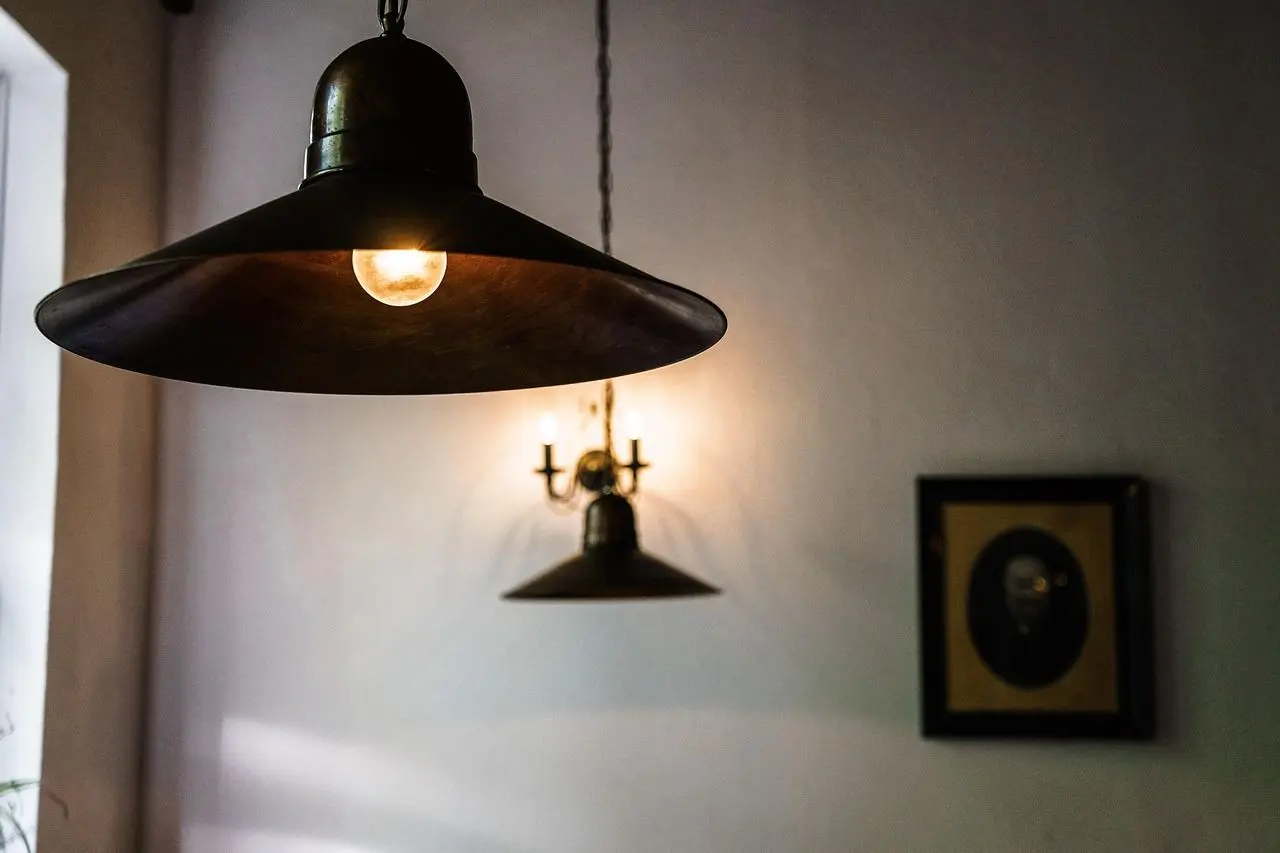
- Pendants hang over tables and kitchen islands and suit higher ceilings.
- Surface-mounted fixtures sit close to the ceiling or wall and are popular in hallways and bedrooms.
- Portable fixtures, such as desk lights, bed lights and pole lights, plug into any available outlet.
- Track lighting gives flexibility in location, quantity and aiming angles.
All of these descriptions come from the Natural Resources Canada guide. The same guide warns that recessed downlights can suit nearly any room but should not supply every layer of light in a design.

How to layer a room, step by step
- Start with the ambient layer: decide how the room will be lit overall, using ceiling or wall fixtures that spread light.
- Add task light at each place where you do something precise, such as a reading chair, desk or worktop.
- Choose accent light for the features you want noticed, such as a picture or a textured wall.
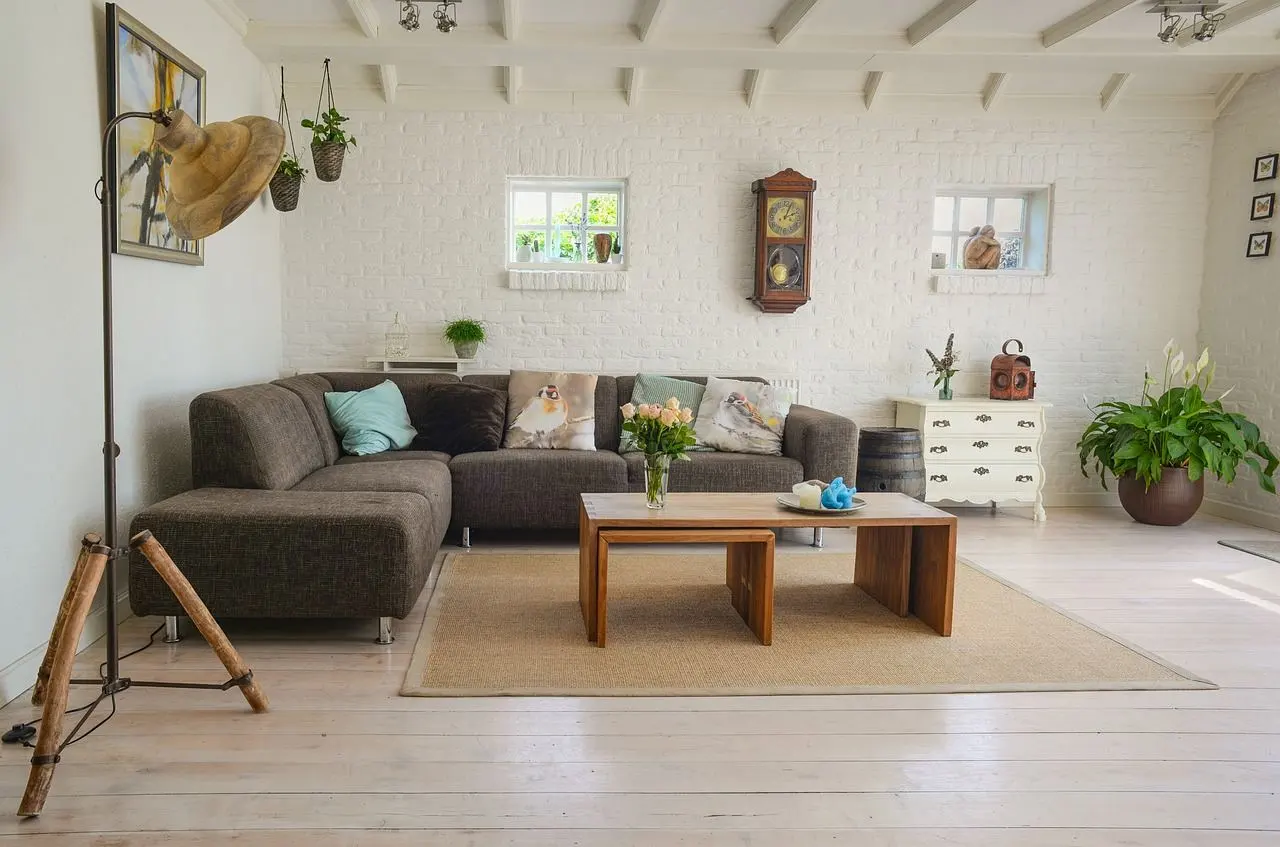
- Place portable lamps at different heights so light does not all come from the ceiling.
- Match the colour of the light across the room so the layers feel like one scheme.
The same sequence works in a bedroom, where bedside lamps handle reading and a soft overhead fitting handles the rest. If you are planning one, how to decorate a small bedroom is covered in a separate guide. Floor coverings also change how light bounces around, so it helps to know how to choose a rug size before you settle the lamp positions: see how to choose a rug size for the details.
Fixed wiring, recessed housings and track systems are electrical work. Follow the manufacturer’s instructions and use a qualified electrician for anything beyond plugging in a portable lamp.
Why age and glare change the plan
Eyes need more light as the years pass. The Natural Resources Canada guide says people may require as much as double the light by age 50 as they did at age 20, so a room that felt bright enough once may now need stronger task light (source).
The same guide adds that people also become more susceptible to glare. Extra light should therefore be diffused, and the source should be shielded from the eyes.
Colour and running cost
The CRI is a scale from 0 to 100 that describes how well colours appear under a light source. Correlated Colour Temperature (CCT) describes how warm or cool a space feels, and a higher Kelvin number means a cooler light, according to the Natural Resources Canada guide.
The guide also gives a simple way to compare options: annual cost equals the power in kilowatts, multiplied by annual operating hours, multiplied by your utility rate. It also gives an example in which a bare source of 1000 lumens delivers only 600 lumens once fitted, making the fixture 60% efficient.
Frequently asked questions
Do I need all three layers in every room?
Show answer
Not necessarily. A hallway may need little beyond ambient light, while a kitchen or home office usually benefits from strong task light as well.
Can recessed ceiling lights be my only lighting?
Show answer
They are best treated as one part of the plan. The Canadian guide advises against relying on them for every layer, so add lamps or wall lighting for task and accent roles.
Is an energy-efficient label worth looking for?
Show answer
The guide recommends looking for the ENERGY STAR mark, because efficiency can vary a lot between manufacturers and between light sources.
What is the easiest layer to add to an existing room?
Show answer
Portable lamps. They only need an outlet, so a reading lamp or a small accent lamp can be placed without any new wiring.