
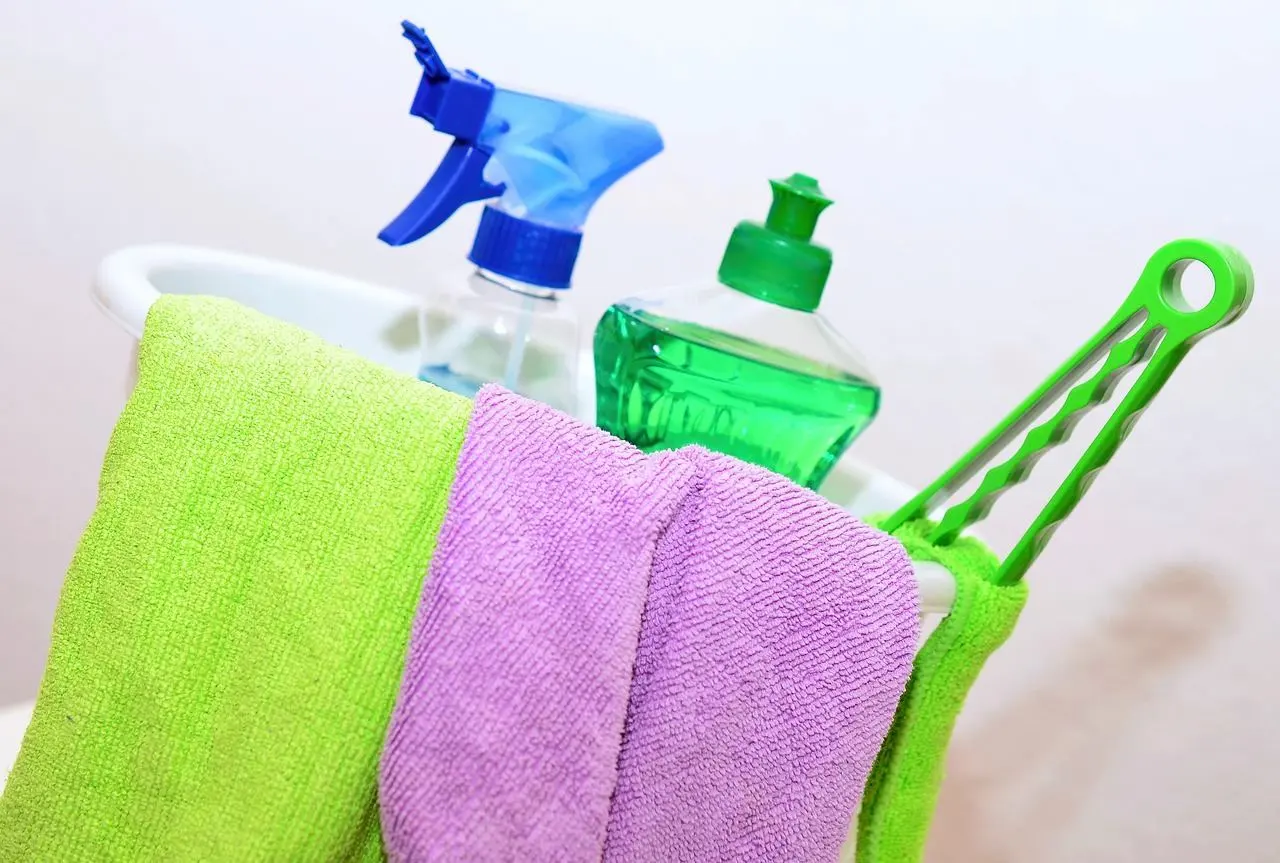
You want a home that stays tidy without every weekend vanishing. Here’s how to make a cleaning schedule: list your tasks, sort them by how often they need doing, and spread them across the week in short sessions.
For the wider picture of keeping a home in order, the home organization guide is a good place to start.
| Item | Value |
|---|---|
| Daily routine length | About 10 to 15 minutes a day |
| Short reset session | 15- to 30-minute reset |
| Recurring tasks per day | One or two tasks to each day |
| Monthly tasks to add | One or two monthly tasks each week |
These figures come from PODS and Public Storage, and guidance like this can change, so check the sources before you rely on the numbers.
Start with a list of what your home actually needs
The simplest recipe is to list every task by room, decide how often each one needs doing, and estimate how long it takes. That is the approach PODS lays out for building an easy plan.
Begin with the spaces you clean most. A typical list covers:
- The kitchen, where most daily cleaning tends to happen
- Bathrooms, including toilets, tubs and showers
- Bedrooms and bedding
- Living areas and entryways
- Floors throughout the home
- Laundry
The kitchen deserves special attention because, as PODS puts it, most daily cleaning needs to be done in the kitchen.
You do not have to write the list from nothing. The Homes I Have Made suggests finding a comprehensive printable list and circling the tasks you want to include in your specific cleaning schedule.
How often should each task happen?
Sort by frequency rather than by room. Blueland notes that a master cleaning schedule works best when tasks are sorted by frequency, not room, and that most things do not need cleaning every day or every week.
A workable starting split looks like this:
- Daily: dishes, making the bed, wiping kitchen and bathroom counters, emptying full bins, and a quick tidy.
- Weekly: changing sheets, vacuuming, mopping hard floors, scrubbing toilets and showers, dusting.
- Monthly: baseboards, ceiling fans, vents, cabinets and closets.
- Seasonal: window screens, storage areas, and anything tied to the weather.
Laundry is easier when it is spread out. Cleaning author Courtenay Hartford, quoted by Domino, says that if you do one load a day you will never have to spend a day on a huge pile again.
The same Domino guide argues that a lot of weekly tasks can be reassigned to the monthly category, and that the heaviest jobs only need to happen every six months. Moving tasks down the list saves you from redoing work before it is needed.
Frequencies are personal. The Homes I Have Made says you should decide which frequency of each task is right for your home, and Blueland points to foot traffic, usage and the nature of the space as the factors to weigh.
If you have children, daily pick-up is often the biggest time sink. This guide on how to organize kids toys can make that daily reset quicker.
Which scheduling method suits your household?
Once the tasks are sorted, you need a rhythm for doing them. Blueland describes three common methods:
- Room-a-Day: assign one room per day and focus your energy there. It suits people who like to see visible progress in a single space.
- Task-a-Day: do the same task across the whole home on a given day, which cuts down on setup and switching.
- Timed sessions: set a timer and work until it dings, with no perfectionism required.
Pick the one that matches your temperament. Then run it for two weeks before judging it, adjusting for your space, energy and household size, as Blueland advises.
Fit the tasks into your weekly cleaning schedule
Spread the work over several days rather than one marathon. PODS suggests dividing tasks between days of the week, with the kitchen on Monday, a few bedrooms on Tuesday, bathrooms on Wednesday, living areas on Thursday, and Friday for catching whatever still needs attention.
Keep the daily slot small. PODS says to set aside about 10 to 15 minutes a day for the daily list, and Public Storage says a 15- to 30-minute reset can be enough to tidy a room, organize a drawer or finish a weekly task.
On the same page, Public Storage recommends assigning one or two tasks to each day instead of saving everything for the weekend. For the monthly list, it says to choose one or two monthly tasks each week so the list stays manageable.
Build in some flexibility. PODS gives the example of a meeting-heavy Monday becoming a day for shorter jobs like wiping appliances or clearing out the fridge.
A clutter-free entry makes every other task faster, so the guide on how to organize an entryway is worth a look when you set up the daily list.
For vents, filters and appliances, follow the manufacturer’s instructions and use a qualified professional for anything electrical, gas-related or hard to reach.
How do you keep the schedule going?
A schedule only helps if it stays in sight. Blueland recommends putting it into your phone calendar and setting alerts, and its guide says to create a spreadsheet or chart for your master list.
A few habits make the plan easier to follow:
- Keep cleaning supplies organized in one accessible area, as Public Storage suggests.
- Declutter surfaces before you clean them, so wiping goes faster.
- Follow the label on any cleaning product you use.
- Review the plan whenever household routines change.
Seasonal jobs need their own slot. The same Public Storage guide advises scheduling them around changes in weather, clothing, outdoor activities and household routines, and updating the checklist for your climate and home type.
Slip-ups are normal. Blueland’s take is that missing a day isn’t failure; you just pick up where you left off.
Frequently asked questions
Do I need to clean the whole house every week?
Show answer
No. According to Blueland, a consistent routine is useful precisely because most things do not need cleaning daily or weekly. Reserve weekly slots for high-use spots and push the rest to monthly or seasonal lists.
What if I fall behind for a while?
Show answer
PODS tells readers not to worry if an off week or two derails the plan. Keep going with the next task rather than restarting the whole list.
Do I need an app, or will paper do?
Show answer
Any format works. The Homes I Have Made says you can use any materials you like, including printer paper, a dry-erase board, a planner page or a wall calendar.
How do I split chores with other people?
Show answer
Name an owner for each task. Blueland says to assign responsibilities when several people share the cleaning, and PODS says to divide the line items so the split is equitable among partners, children or roommates.