Drowning in stuff and unsure where to start? This home organization guide says: declutter first, give every kept item a home, then keep up a few minutes of daily upkeep. Begin with one small space.
| Item | Value |
|---|---|
| Estimated impulse spending by Americans | $300 a month |
| Share of household items actually used | 20 percent |
| Share of household items that is potential clutter | 80 percent |
| Put-away rule for quick tasks | 60 seconds or less |
| Time to form a new daily habit | two weeks |
| Sorting piles for decluttering | four piles |
These figures come from Mississippi State University Extension’s publication on household clutter. Estimates and guidance can change, so check the source before you rely on them.
Start by deciding what stays
Organizing goes wrong when you buy bins before you know what you own. Mississippi State University Extension advises you to determine the type of clutter first: regular household clutter or sentimental clutter, as laid out in its clutter publication. Knowing which one you face helps you decide how to part with it.
Regular clutter, according to the same publication, includes items like toys, mail, books, cleaning supplies and hobby materials. Sentimental clutter is the harder category, and it gets its own section further down.
The scale of the problem is worth a look. The extension publication cites an estimate that only 20 percent of items are used in the home, while the other 80 percent is potential clutter. It also cites an estimate that Americans spend $300 a month on impulse purchases, as noted in the Mississippi State publication.
Before you begin, gather what you will need. The same Mississippi State guidance suggests having these ready:
- Garbage bags and storage bins
- Markers and labels
- Multipurpose cleaners and towels
- A vacuum
The University of Arkansas Extension describes several ways to tackle the job, in a spring-cleaning post on decluttering. Pick the one that matches your temperament:
- One room at a time. Begin by clearing flat surfaces like tables, counters and the tops of dressers, then move on to drawers and shelves, and finish with the floors.
- One item at a time. Choose a category, such as paperwork or clothes, and go from room to room dealing only with that.
- Choose joy. Go through a room and decide which things bring you joy and which you can easily do without.
Whichever route you take, sort what you handle into four piles: keep, sell, donate or throw away, as the Mississippi State publication recommends. The full process is covered in a separate walkthrough on how to declutter a room step by step.
Give every item a home
Once the extras are gone, what remains needs a permanent place. The University of Kentucky’s extension team suggests you gather and sort like items and put them in zones near where they will be used, according to its decluttering article. The test it offers is simple: where would you look first for this thing?
Mississippi State’s guidance gives a concrete example of the same idea. It advises finding a specific location for everything you keep, such as putting all keys in one box, as stated in the clutter publication.
A few principles hold up in every room:
- Group like with like. Batteries, tape and pens each get one spot rather than three.
- Store near the point of use. Things used daily sit at easy reach; rarely used items go high or low.
- Let containers set limits. Kentucky’s article notes that containers help define homes for items and set limits, so a full bin is the signal to edit.
- Label what is not obvious. The same article points out that labels help others in the house know where everything goes, so you do not end up reorganizing repeatedly.
Prevention matters as much as storage. Mississippi State’s advice is that before buying something new, you first remove an unused item from your home, per the same publication. The Kentucky article adds that many common items can be rented for less than the price of a new one, which suits tools you will use once or twice, as described in that article.
If you plan to mount shelves or anchor tall storage, follow the manufacturer’s instructions for the hardware and the wall. Use a qualified professional for anything structural or electrical.
Room-by-room systems
Each room has its own clutter pattern, so each one needs a slightly different system. The sections below pair a core idea with a dedicated spoke guide you can open when you reach that room.
Kitchen cabinets and pantry
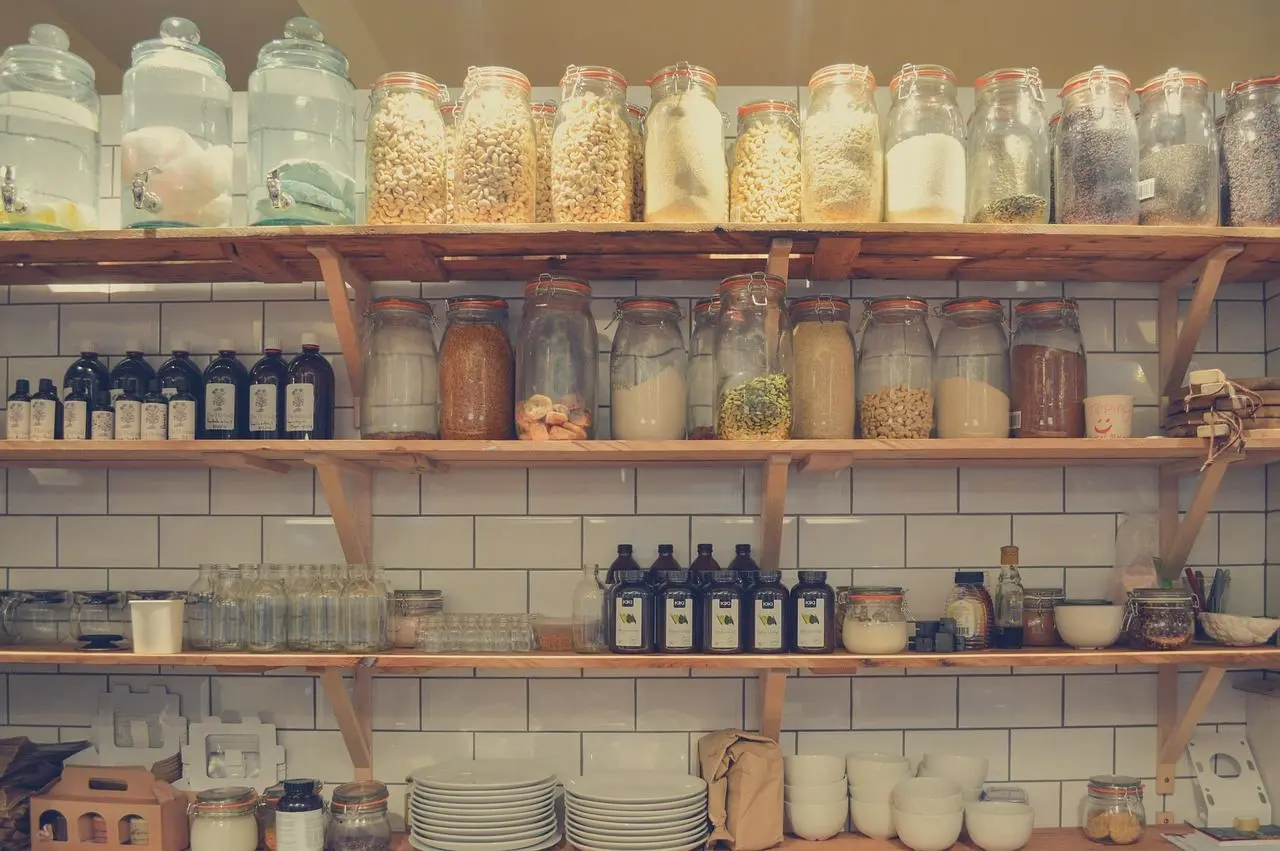
Kitchens fill up with duplicates, so start by pulling everything out of one cabinet and wiping it down. Mississippi State’s publication says to clean the newly exposed area after decluttering, which removes dust that was hiding behind or underneath the clutter, according to the Mississippi State publication. Return items grouped by task: baking together, cooking together, serving together.
Detailed steps are in the guide on how to organize kitchen cabinets. For food storage, see the walkthrough on how to organize a pantry.
Keep cleaning products stored according to their labels and the manufacturer’s instructions, and away from food.
Closets
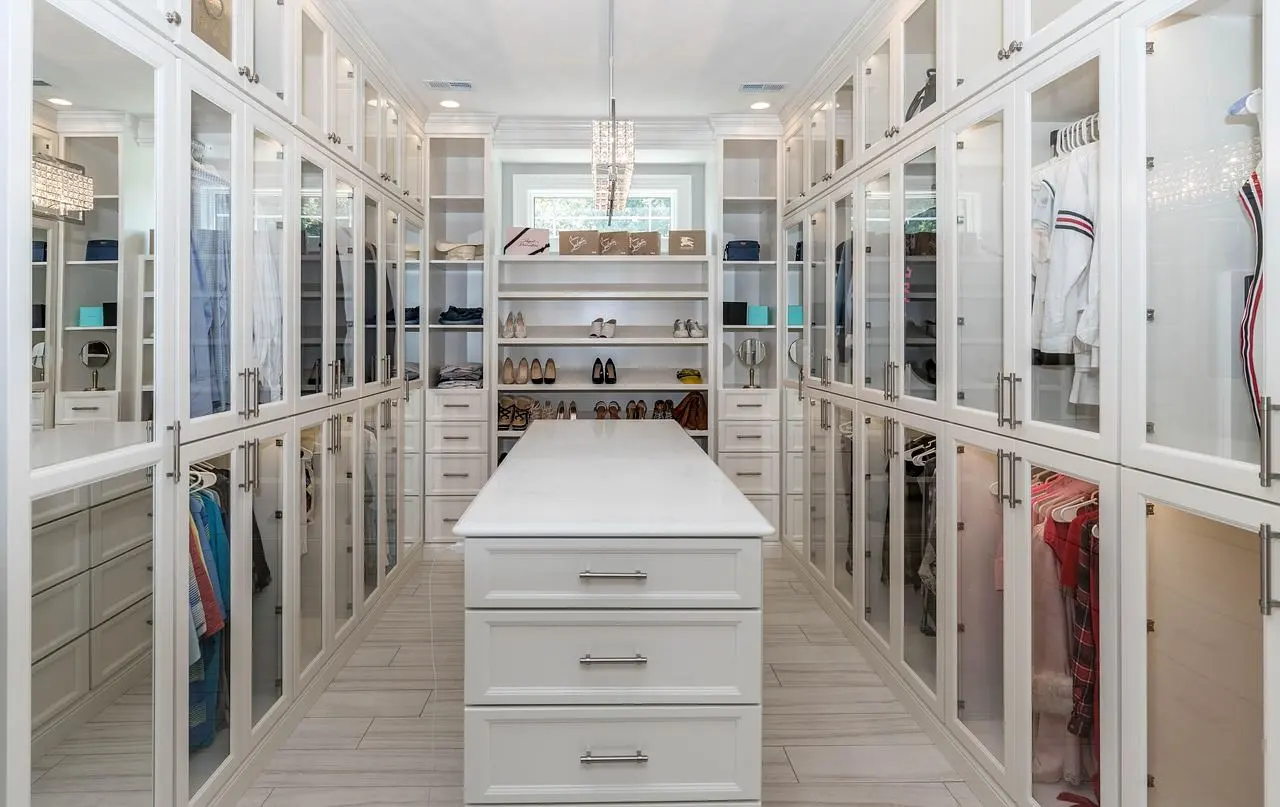
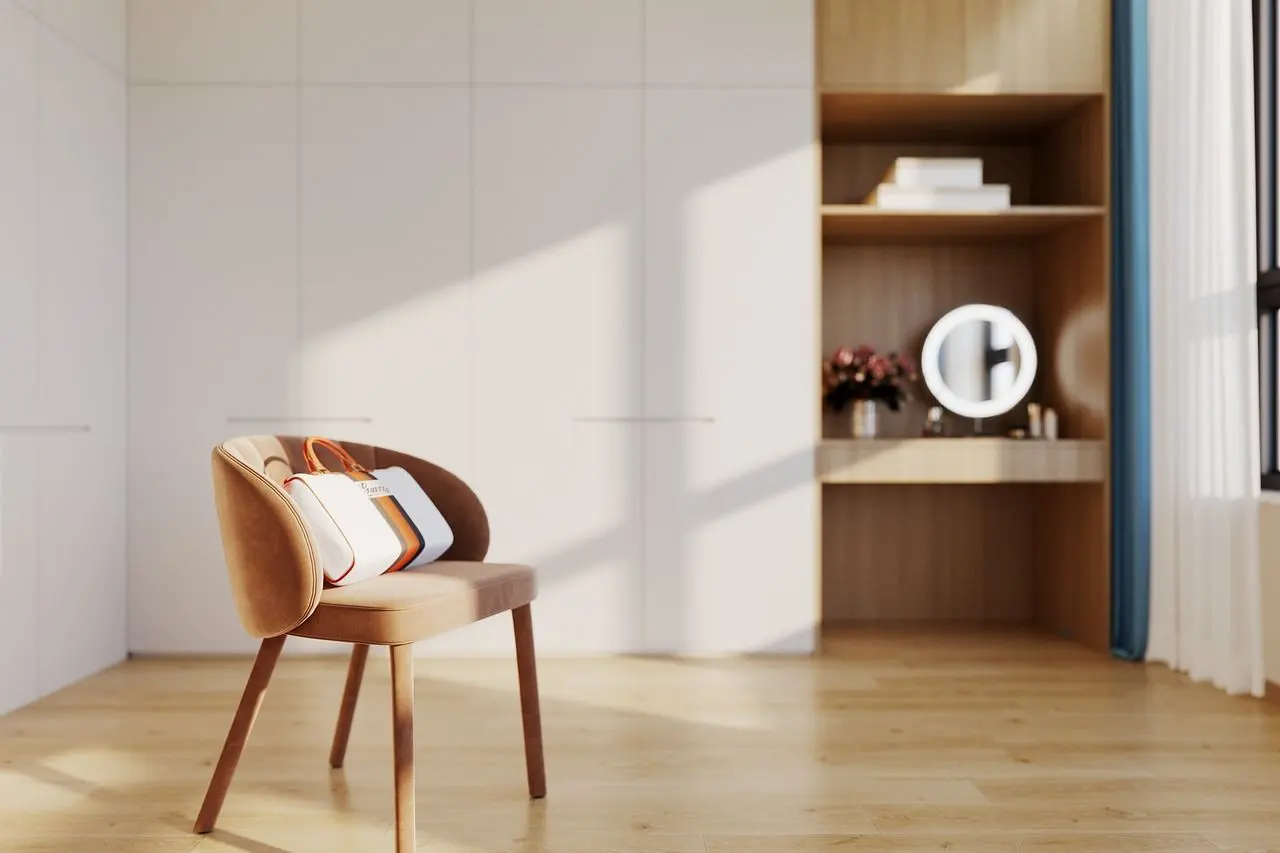
Closets are where “just in case” items pile up. Mississippi State’s blog says its sentimental-item tips work for cleaning out closets too, as written in its decluttering tips post. The Kentucky article suggests asking whether you have worn something in the past year or two.
Small closets benefit most from a firm limit on what comes back in. The guide on how to organize a small closet covers hanging, folding and vertical space.
Bathroom
A small bathroom has little surface area, so every item must justify its spot. Sort by use: daily items within reach, backups and extras elsewhere, and expired or broken things out. You will find layout ideas in how to organize a small bathroom.
Entryway and paperwork
The entryway is where mail, keys and bags land first, so it sets the tone for the rest of the house. Give each person a hook or bin, and keep keys in one place. The guide on how to organize an entryway shows how to build that landing zone.
Paper is its own category. The University of Arkansas post suggests going through paperwork, sorting it into keep or trash, and filing what you keep, as described in the Arkansas decluttering post. A fuller system appears in how to organize paperwork at home.
Kids’ toys
Toys are named in Mississippi State’s list of everyday household clutter, per the clutter publication. Because containers set limits, a few open bins sorted by type work better than one giant box. Ideas for rotating and storing them are in how to organize kids toys.
Habits that keep the system working
A system survives only if it is cheap to maintain. Mississippi State’s publication offers the 60-second rule: if it takes 60 seconds or less to put an item away, do it now, per the Mississippi State publication. It also says it takes only two weeks to create a new daily habit.
The same publication lists daily habits worth building:
- Opening and sorting mail every day
- Cleaning the kitchen after each meal
- Folding and putting away fresh laundry
- Tidying up at the end of each day
The Kentucky article recommends a few minutes of daily upkeep once an area is organized, since that is easier than starting from scratch, according to its decluttering article. It also suggests a cleaning schedule that assigns certain days to certain tasks.
Clutter also has a safety side. The Mississippi State publication notes that clutter can raise the risk of slips and falls when floors are covered with too much stuff, as stated in the publication. Keeping walkways clear is a good first maintenance goal.

Sentimental items and things that leave
Items from loved ones are the slowest to sort. The Mississippi State extension blog suggests you decide how much space to give them, for example a closet, attic or spare room, as written in its decluttering tips post.
The same post recommends grouping items into collections and picking how many to keep from each. It also suggests choosing a day when you have spare time, since the process can be stressful.
For things that leave, you have choices. The Mississippi State publication says selling can bring in extra cash and donating to local charities helps your community, per the clutter publication. The Kentucky article notes that thrift stores and local churches are always looking for donations, as mentioned in its article.
You do not have to do this alone. Mississippi State’s publication says family and friends can offer a neutral perspective that makes it easier to decide what to keep, as noted in the same document.
Connecting organization to the rest of your home
An organized room looks better, and good storage supports good layout. Pairing this guide with interior design basics helps you choose furniture and storage that suit how a space is used.
Outdoor and plant supplies also need homes, from pots to tools. If a garden is part of your plans, the primer on home gardening for beginners is a useful next read.
Frequently asked questions
Where should I begin if the whole house feels overwhelming?
Show answer
Choose a single contained spot, such as one cabinet or one drawer, and finish it completely. Mississippi State’s publication recommends a small starting area so the job does not feel too big, as noted in its clutter guidance.
Should I buy storage containers first?
Show answer
No. Edit first, because you cannot size a container until you know what is staying. After that, containers do useful work by marking a home for each category and signalling when something has outgrown its space.
How long until tidying becomes automatic?
Show answer
Mississippi State’s extension publication puts the figure at two weeks to create a new daily habit, per the source. Start with just one routine, such as sorting the mail, before adding others.
What if other people in my home keep undoing my system?
Show answer
Make the system easy to read. Labels and zones, as the Kentucky extension team describes in its small-steps article, let everyone see where things belong without asking you.
Is it better to sell or donate unwanted things?
Show answer
It depends on the item and your time. Anything worth real money can go in the sell pile, while the rest can go to a local charity or thrift shop, which keeps usable goods in circulation.