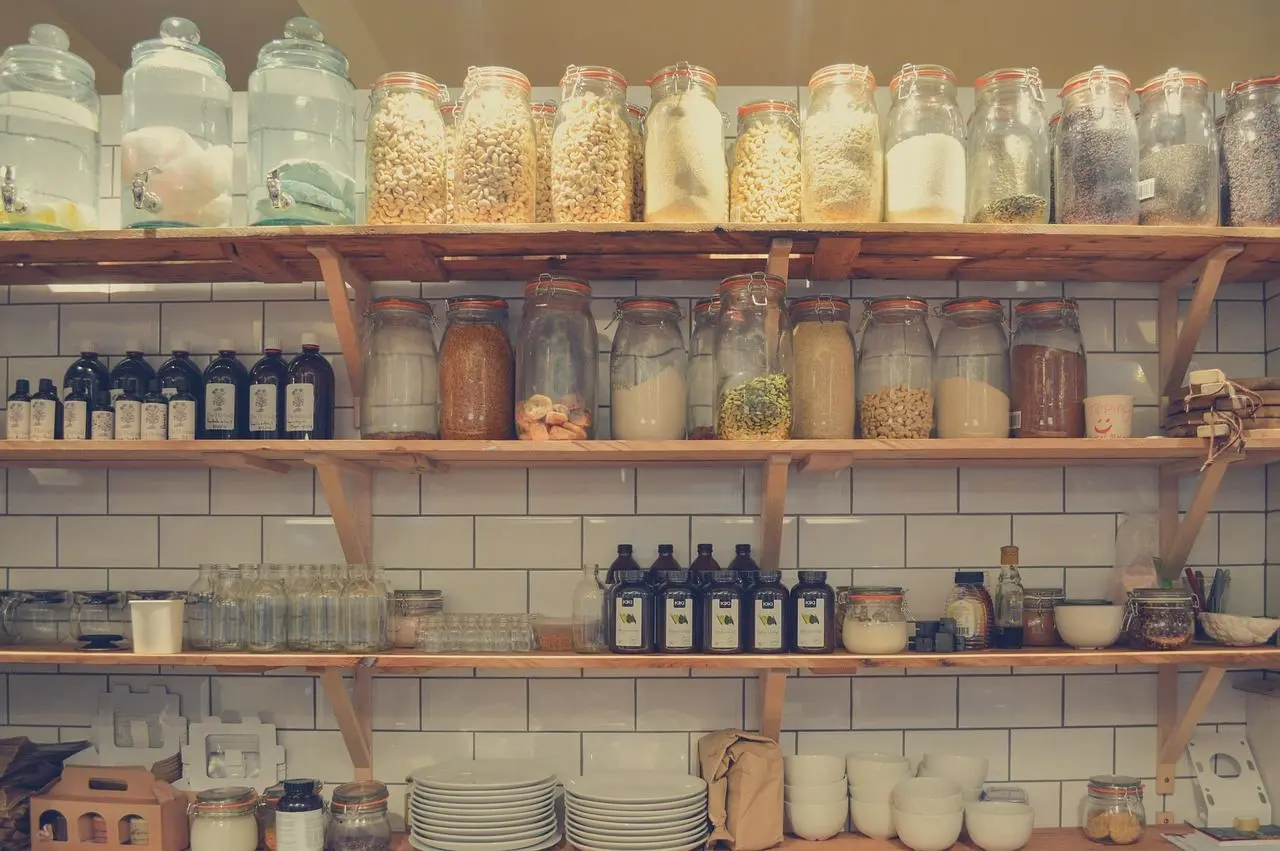
Wondering how to organize a pantry that keeps overflowing? Group food into zones, move opened dry goods into airtight containers, and label everything with a date. You can finish the whole job in an afternoon.
For the bigger picture, the home organization guide covers every room of the house.
| Item | Value |
|---|---|
| Cool storage range for best food quality | 50°F to 70°F |
| Storage temperature that lowers quality of many foods | Above 100°F |
| Shelving height above the floor | 6 inches |
| Shelving distance from outer building walls | 18 inches |
| Unopened canned tomatoes and fruit, possible keeping time | 12 to 18 months |
| Unopened canned meats and vegetables, possible keeping time | two to five years |
These figures come from the Academy of Nutrition and Dietetics and New Mexico State University storage guide. Guidance can change, so check the source before you rely on the numbers.
Empty the shelves and check what you have
Take everything out and wipe the shelves, because you can’t sort what you can’t see. Set up piles for keep, donate and discard as you go.
Check every can and package while it is in your hands. The New Mexico State University guide says not to consume packaged or canned foods showing any of the signs below, and Illinois Extension adds that a swollen can may mean Clostridium botulinum is growing inside.
- Leaking or staining
- Swelling, especially bulging cans
- Rust
- Badly dented, crimped or pinched cans with sharp edges
- A cracked container
- Broken or missing safety seals, or loose or missing lids
- A foul odor or a change of color
Once the shelves are bare, you can see how much space you really have. That tells you how many containers and baskets to buy, so measure before you shop.
Pick cool, dry and dark conditions
Where food sits matters as much as how it is arranged. The Academy of Nutrition and Dietetics advises keeping cupboards and the pantry clean, dry, dark and cool, away from heat-producing appliances. It says a cool range of 50°F to 70°F helps food stay at its best longer, while storage above 100°F tends to lower the quality of many foods, especially canned goods.
The New Mexico State University guide gives a slightly tighter target of about 50°F, though it calls 60 to 70°F acceptable. It also notes that dark areas maintain food quality longer.
Shelving height counts too. The same guide says shelving needs to be 6 inches from the floor and 18 inches from outer building walls, and that keeping food off the floor stops it touching moisture.
Keep cleaning products out of the picture. Illinois Extension says not to store food and cleaning supplies in the same area, and the Academy likewise advises storing food away from kitchen chemicals and household trash.
How do you group pantry food into zones?
Zones work because they match how you cook, so each task sends you to one shelf. The New Mexico State University guide sorts stocked foods into categories that make a handy starting set:
- Protein: canned meats and seafood, nut butters, canned beans
- Canned vegetables and fruit, plus onions, garlic and potatoes
- Starch: rice, pasta and grains
- Liquids and sauces: broth, canned soup, canned tomatoes, juice and powdered milk
- Flavors: herbs, spices, soy and Worcestershire sauce
- Staples: flour, sugar, baking soda and powder, salt, nuts, raisins, jam, honey and oils
Give each zone its own shelf, bin or basket, and put the things you grab daily at eye level. Keep oils in the coolest cabinet, because the same guide warns that oils near the oven, stove or refrigerator exhaust are subject to turning rancid from heat.
If your pantry is really a cupboard, the advice on how to organize kitchen cabinets covers the dishes and cookware that share the space.
Choose containers that keep food fresh
Once a package is open, the original wrapper rarely seals well enough. The Academy of Nutrition and Dietetics says opened dry foods such as rice and pasta belong in dry, airtight containers. That helps keep out insects and rodents and stops food absorbing odors and moisture.
The New Mexico State University guide says metal, glass and plastic containers all work, as do storage bags with tight-fitting zippers or lids. When you shop, look for these features:
- Clear sides, or a flat front where a label fits
- A tight-fitting lid
- Square or rectangular shapes that stack without wasting space
- Matching sizes within each zone, so shelves stay tidy
If you would rather not decant a bag, Illinois Extension suggests covering opened food with a storage bag or placing it in a lidded container to keep pests out.
Label everything and rotate stock
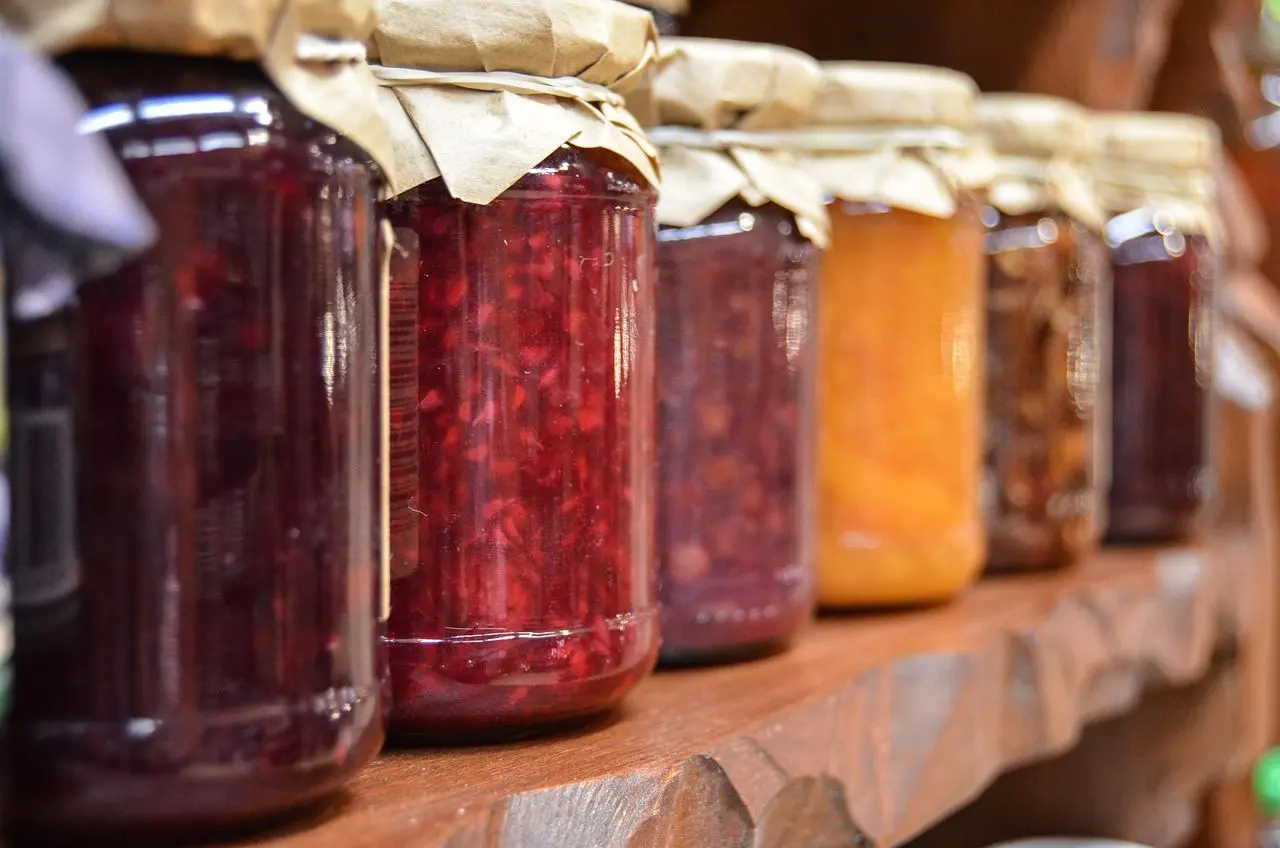
The New Mexico State University guide says the keys to storing and using food well are labeling and rotating. It suggests keeping a marking pen, labels or masking tape handy to write the contents and the date stored. A simple routine looks like this:
- Write the contents and the date stored on every container.
- Once a month, sort through so the oldest dates sit at the front and the freshest at the back.
- Place new purchases at the back, so you reach for the oldest items first.
That habit is called First In, First Out, and Illinois Extension recommends it to maximize quality and reduce food waste.
Printed dates vary in meaning, which is why your own label helps. Illinois Extension describes a “Best If Used By” date as a recommendation for when flavor or quality is highest, and says it is not a purchase or safety date.
Shelf life gives you a rough rhythm for the monthly check. The Academy of Nutrition and Dietetics says canned tomatoes and fruit may keep for as long as 12 to 18 months, while canned meats and vegetables may last two to five years. Most unopened dried fruits and vegetables can sit in the pantry for six months to a year, and once opened they should be used within one to three months or moved to the fridge.
Recipes, warranty cards and takeout menus tend to pile up near the pantry, and the guide on how to organize paperwork at home gives them a better place to live.
Frequently asked questions
Where in the kitchen should the pantry go?
Show answer
Pick the coolest cupboard you have, not the one beside a heat source. The New Mexico State University guide also warns against places where the temperature swings, such as a garage.
Do I have to decant every package?
Show answer
No. The container advice from the Academy of Nutrition and Dietetics is aimed at dry foods once their packaging has been opened, so sealed packages can stay as they are.
Can onions and potatoes live in the pantry?
Show answer
Yes, if they are uncut. Illinois Extension lists whole onions, potatoes and sweet potatoes among the foods that store safely at room temperature.
Must food packages carry a date?
Show answer
According to the New Mexico State University guide, dates on packaging are not mandatory by the FDA, with infant formula as the exception. Manufacturers choose the dates they print, which is another reason to add your own label.