Staring at a messy room and not sure where to begin? Here is how to declutter a room step by step: set a goal, work in short sessions, sort into piles, then give everything a home.
This room-by-room plan sits within the home organization guide, which covers the rest of the house.
| Item | Value |
|---|---|
| Focused session length | 15 minutes |
| Sorting piles | Three piles: keep, donate, dispose |
| Clothing cutoff | Not worn in over a year |
| Kitchen items to donate | Not used in a year or two |
| Pareto principle | 80 percent of results from 20 percent of action |
The figures come from Public Storage’s decluttering guide and Bob Vila’s decluttering guide. They can change, so check the source before you rely on them.
Set a goal and pick your starting point
Start by deciding what the room is for. Public Storage’s guide recommends a practical goal, such as creating room to host a meal, use a spare room, or park in a garage, and Real Homes suggests picturing the finished room so later choices feel easier. You can read the goal advice in Public Storage’s guide.
Next, keep the job small. Bob Vila advises you to tackle one space at a time to avoid becoming overwhelmed, while Public Storage says the easiest room or category makes the best first target (Bob Vila, Public Storage).
Then set a clock. Public Storage suggests short sessions, such as 15 minutes at a time, so the process stays focused. It also says to leave sentimental items until later if they make decisions harder.
If the room still feels huge, borrow the Pareto principle. Bob Vila notes that 80 percent of results come from 20 percent of action, so pick the tasks that make the biggest impact and start there. For most rooms, that means clearing the floor and the main surface first (Bob Vila).
Sort everything into clear piles
Sorting is the heart of the plan. Follow these steps, and keep the same categories in every room so you never have to rethink the rules.
- Clear a patch of floor or bed. Real Homes suggests laying out a blanket or bath towel so items are easier to carry around the house.
- Pick up one item at a time and place it in a pile: keep, donate, or dispose. Bob Vila calls these the three piles to start with.
- Ask how often you use it and whether it carries sentimental value. If it is neither useful nor meaningful, it can go.
- Set aside anything that belongs in another room and return it once the session ends.
The questions in step three come from Real Homes, and the pile system comes from Bob Vila. Bob Vila also points out that many items cluttering a living room simply belong somewhere else in the house.
Anything you truly cannot decide on needs a home that is not the middle of the room. Public Storage recommends a labeled revisit-later box, because it gives you time to consider an item without letting it stay in the way (source).
Deal with donations and discards straight away
A pile that stays in the hallway becomes new clutter. Move each pile out of the room as soon as your session ends.
- Donate pile: Real Homes says items in good condition, meaning not dirty or broken, can go to friends and family or to a thrift shop.
- Discard pile: some things are beyond saving, and you can let those go without guilt.
- Keep pile: Public Storage suggests displaying the items that matter to you instead of leaving them in drawers or piles.
Real Homes adds that passing things on is far kinder to the environment than throwing away everything you no longer need (Real Homes). The display advice is in Public Storage’s guide.
Room-by-room tips for the busiest spaces
The same sorting method works everywhere, but each room has its own usual trouble spots. These ideas come from Bob Vila’s room-by-room advice.
Living room
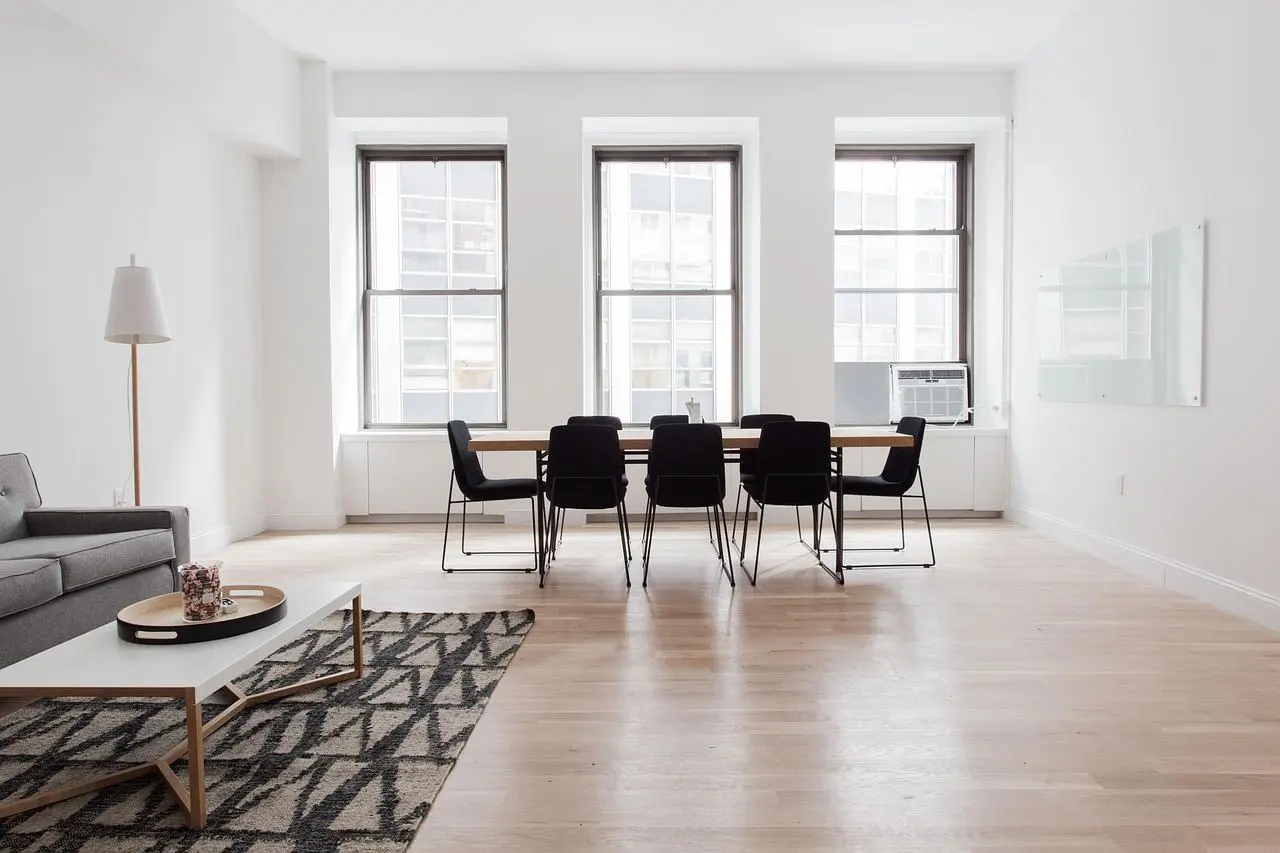
Pare the room back to its essentials, then return stray items to where they belong. If toys are the main culprit, a separate guide on how to organize kids toys covers that job in more detail.
Kitchen
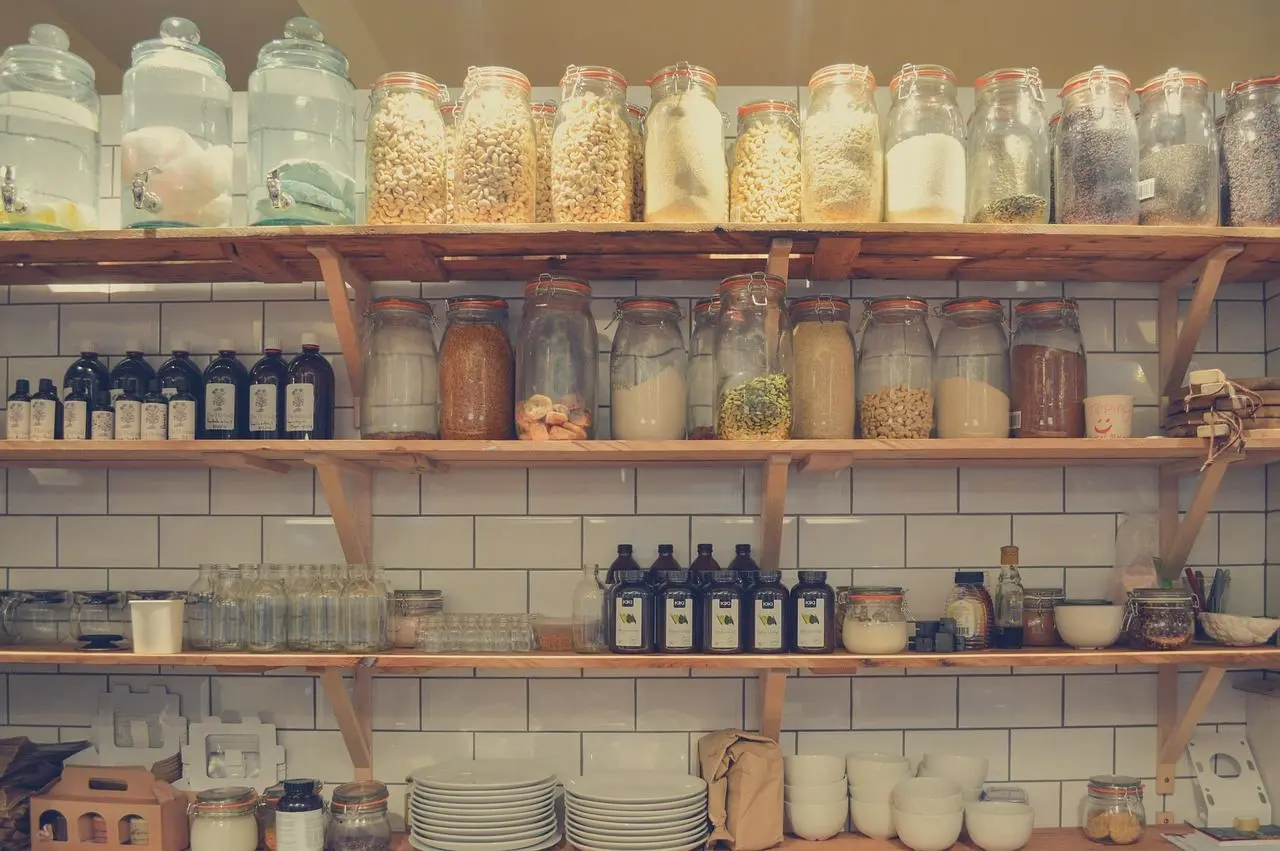
The first step in the kitchen is to throw out expired food from the fridge, freezer, and pantry to clear valuable storage space. Then donate dishware or gadgets you haven’t used in a year or two.
Bedroom
Clothes are one of the most intimidating parts of the job. Bob Vila suggests getting rid of anything you haven’t worn in over a year, as well as anything that doesn’t fit. For the wardrobe itself, this guide on how to organize a small closet shows how to keep it tidy afterwards.
Bathroom
When several items serve the same purpose, such as multiple bottles of sunscreen, choose the one or two that work best and let go of the rest.
Home office
Clear every item from the desktop, then decide what belongs there and what can be stored elsewhere or discarded.
How do you keep the room clear afterwards?
Decluttering only lasts if every item has a place to return to. Public Storage recommends designated zones, labeled containers, and short weekly resets to keep a house tidy.
- Place heavy containers on the floor or lower shelves.
- Keep frequently used items within reach.
- Tidy each zone after adding or removing something.
These storage rules are from Public Storage. Bob Vila adds one more tip: wait until you have decluttered the entire room before you clean it, rather than cleaning as you go.
Frequently asked questions
How long does it take to declutter one room?
Show answer
It depends on the room, so plan around sessions rather than a finish time. Public Storage’s guide says to stop before the task becomes frustrating and pick it up again in another short session (source).
Which spot should I start with?
Show answer
A garage shelf, kitchen counter, bathroom cabinet, entryway, or single closet works well as a first target, according to Public Storage.
Should I buy labels and containers first?
Show answer
Wait until the sorting is finished. Real Homes treats labelling as a later step, noting that labelled boxes make it easy to see what is where and what needs to go where (source).