Your shelves are full, and somehow everything looks busy. Here is how to style a bookshelf: leave empty space, group items in odd numbers, and mix books with a few objects you love.
If you are new to room styling, the interior design basics guide covers the principles behind this advice.
| Item | Value |
|---|---|
| Books lined up in the middle of a shelf | 10 to 12 books |
| Piles of books per shelf | 1 pile |
| Ornaments per shelf alongside a pile | No more than 2 ornaments |
| Best size for a pile | Odd numbers of books |
These figures come from designer advice published by Livingetc and Homes & Gardens. They are styling guidelines, not fixed rules, and the pages can change, so check the sources before you rely on them.
Leave empty space before you add anything
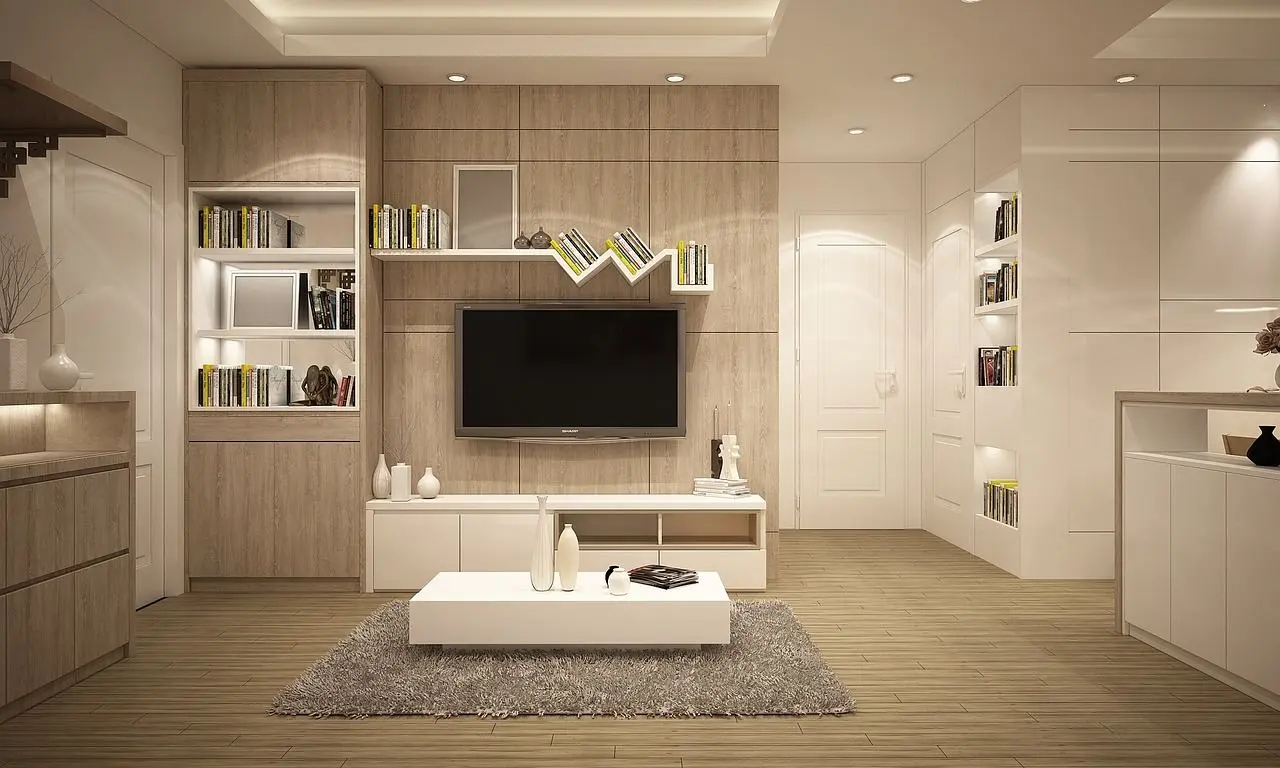
The quickest way to calm a busy shelf is to leave gaps on purpose. Interior designer Audrey Scheck says some empty space is crucial and that shelves should not be overcrowded, as reported by Livingetc. Homes & Gardens decorating editor Emma Thomas adds that some areas should stay book-free, reserved for a few key pieces that reflect the style of your space, according to Homes & Gardens.
Stylist Frances Bailey offers a practical starting point: line up 10 to 12 books in the middle of a shelf and leave room at both ends, per Livingetc. Treat that as a breathing-room guide rather than a law, since shelf widths differ.
If a shelf already feels crowded, a short reset helps:
- Clear one shelf completely.
- Put back only the books and objects you want to look at every day.
- Step back across the room and judge the shelf from a distance.
That last step matters. Bailey notes that what looks good close up can look different from a wider view, as Livingetc reports.
How should you group books and objects?
Grouping is what makes a shelf look deliberate. Homes & Gardens digital editor Jennifer Ebert suggests grouping coffee table books in piles, because odd numbers work best visually, and leaving space around each pile so it looks neat rather than accidental, as Homes & Gardens explains.
Her limit is one pile of books and no more than two ornaments per shelf, which keeps the shelf spacious and styled (source). You can theme the piles by subject or team similar colors together.
For the books that stay upright, these approaches from a designer roundup stand out:
- Height order: Michele Lorenz of Mark Ashby Design arranges books from taller to shorter, which she finds clean and quiet.
- A repeating rhythm: designer Chloe Redmond Warner jokes that a ham-handed formula is four books up, four books down, something airy, something wild, repeat.
- Color zones: there is no need to build a rainbow, because all cool tones in one section and warm tones in another also work.
Balance weight, color and shape
Visual weight keeps a bookcase from feeling top-heavy. Lucy Searle, Editor in Chief at Homes & Gardens, advises putting the biggest books lower down and the smaller reads on top, and choosing organic shaped vases to contrast with the vertical lines of the shelf, per Homes & Gardens.
Color works the same way as in the rest of the room. A bookshelf does not have to be the focal point, and it can act as a neutral background to your scheme, the same article says. Classics rarely have bright spines, and you can slip off colorful jackets to reveal a neutral spine underneath.
If your room has a key color, repeat it in a few pieces on the shelf to tie everything together. For accent colors, one suggestion is that if the room has pops of pink, a large pink book can face forward on the shelf (source). If the shelf sits in a room you are still painting, the guide on how to choose a paint color for a room helps you settle the palette first.
Do not chase perfect symmetry. According to Livingetc, exactly symmetrical shelves are not necessary, and clumping items into vignettes keeps the eye moving around the shelf.
Add art, mirrors and light
British designer Kit Kemp, interviewed by Homes & Gardens, treats the shelf as a canvas for more than books. Her ideas are easy to borrow:
- Hang art in front of the shelves. This adds another layer of decorative detail, and a thick frame helps separate the artwork from the busyness behind it.
- Place antique mirrors behind the shelving. They create the illusion of more depth and space.
- Lay books flat as pedestals. A flat book frames art and objects, and she suggests keeping this for books you have already read.
- Add LED strip lights. Placed above or below a shelf, they bring the display to life in the evenings.
Lighting that involves wiring should follow the manufacturer’s instructions, and a qualified electrician should handle anything beyond a plug-in product. If your shelves sit near a window, the guide on how to hang curtains correctly is a useful companion read.
Edit, rotate and avoid the usual mistakes
Clutter is personal. Bailey says that what is cluttered to a minimalist will not be cluttered to a maximalist, so know your style and remove something when the shelf feels cluttered to you (Livingetc). She does a shelf edit every few months, sending books she has finished with to friends.
Seasons give you a natural reason to rotate. In the same piece, Bailey shows natural items such as shells in summer and more art and objects in fall and winter.
Homes & Gardens spoke to designers and listed 17 considerations to keep in mind when styling shelves. The first is ignoring the shelves’ design potential, which means treating them as storage only. Choosing pieces with personal meaning is the usual fix, and Livingetc quotes designer Aimee Wertepny on picking accessories you want to look at every day (source).
Frequently asked questions
How many books should go on one shelf?
Show answer
No single count suits every shelf. Choose a group that leaves clear room at both ends, then let an object or a framed photo share the space.
Is it acceptable to turn books around so the spines face inward?
Show answer
Designers are split. One design guide describes the move as slightly controversial: the pages show and the titles disappear, which adds texture. It suits books you rarely need to find.
What can go on a shelf besides books?
Show answer
Kit Kemp mentions painted boxes, sculptural ceramics and candles in her Homes & Gardens interview. Other pieces named by designers include vases, bookends, framed photos, small sculptures, plants and vinyl records.
Do you need to buy new decor to get the look?
Show answer
Not necessarily. The same interview says the look never required on-trend purchases, only getting the things you love out on display. Stylist Frances Bailey likewise suggests shopping your own house for a small piece of art to rest on a stack of books (Livingetc).