Short on space but keen to grow something? Balcony container gardening works when you pair roomy, well-draining pots with the right hours of sun. Start with a few compact vegetables or herbs and build from there.
New to growing? Our guide to home gardening for beginners covers the wider basics.
| Item | Value |
|---|---|
| Warm-season crops (tomato, pepper, eggplant, squash) | 6 to 8 hours of direct sun |
| Cool-season crops (lettuce, spinach, Asian greens) | 3 to 5 hours of direct sun |
| Tomatoes, eggplant, peppers, cucumbers | 5 gallons minimum per container |
| Beets, carrots, lettuce, green onions | 3 gallons per container |
| Most herbs and radishes | 1 gallon or less per container |
| Filled 20-inch diameter container | Can weigh 100 pounds |
These figures come from University of Maryland Extension and Colorado State University Extension. They can change, so check the sources before you rely on them.
Read your balcony before you buy a single pot
Sun decides what you can grow. Warm-season crops such as tomato, pepper, eggplant and squash need 6 to 8 hours of direct sun, and cool-season crops such as lettuce, spinach and Asian greens need 3 to 5 hours, according to University of Maryland Extension.
Colorado State University Extension frames it by plant type. Flowering plants and fruiting vegetables want at least 8 hours of full sun each day, while leafy vegetables and many herbs should get at least 4 hours.
Orientation gives you a quick forecast: southern and western exposures will be sunnier and warmer, and northern and eastern exposures shadier and cooler, as University of Maryland Extension explains. Pots can be moved for more or less sun, so a spot that is wrong in midsummer may be right in spring.
Balconies add a few hazards of their own. Brick, stone, concrete, decking and metal can reflect or absorb and release solar radiation, which raises air temperature and can cause heat stress in plants, per University of Maryland Extension. Wind is another: tall plants in relatively small, lightweight containers can be blown over or topple unless they are well anchored.
Weight deserves a second look before you fill anything. A 20-inch diameter container filled with moist potting mix and plants can weigh 100 pounds, according to University of Maryland Extension. For any question about how much your balcony can carry, follow the building’s rules and ask a qualified professional.
Choosing containers and getting drainage right
Almost any vessel can work, but drainage is the first test. Colorado State University Extension calls it the most important thing to consider whatever container you select.
Skip the old habit of putting gravel or pot shards in the bottom. University of Maryland Extension says adding rocks, gravel or broken pot shards will not improve drainage, and it can raise the water table inside the potting mix.
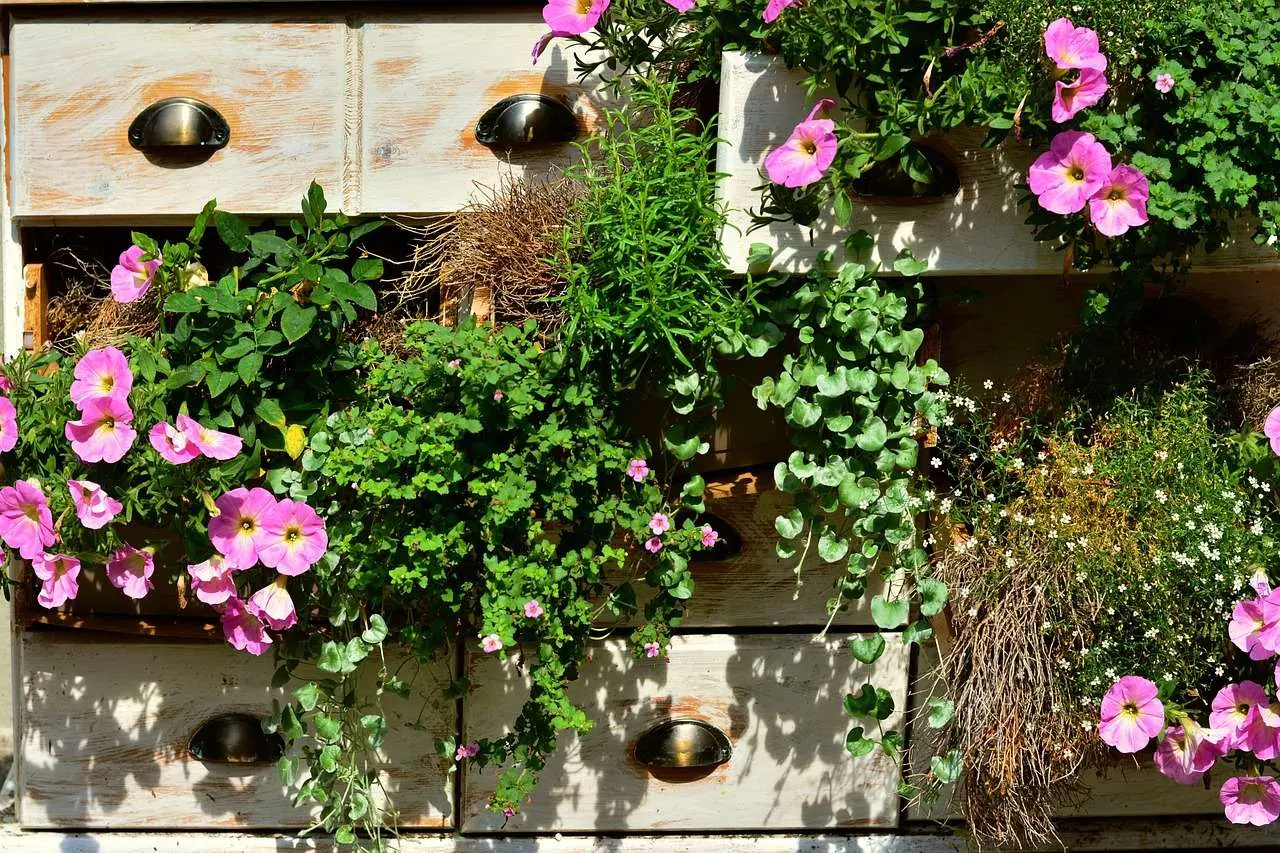
For holes, Harvest to Table advises two to four of them in containers wider than 10 inches. It also says a soil depth of at least 8 inches suits almost every vegetable and herb.
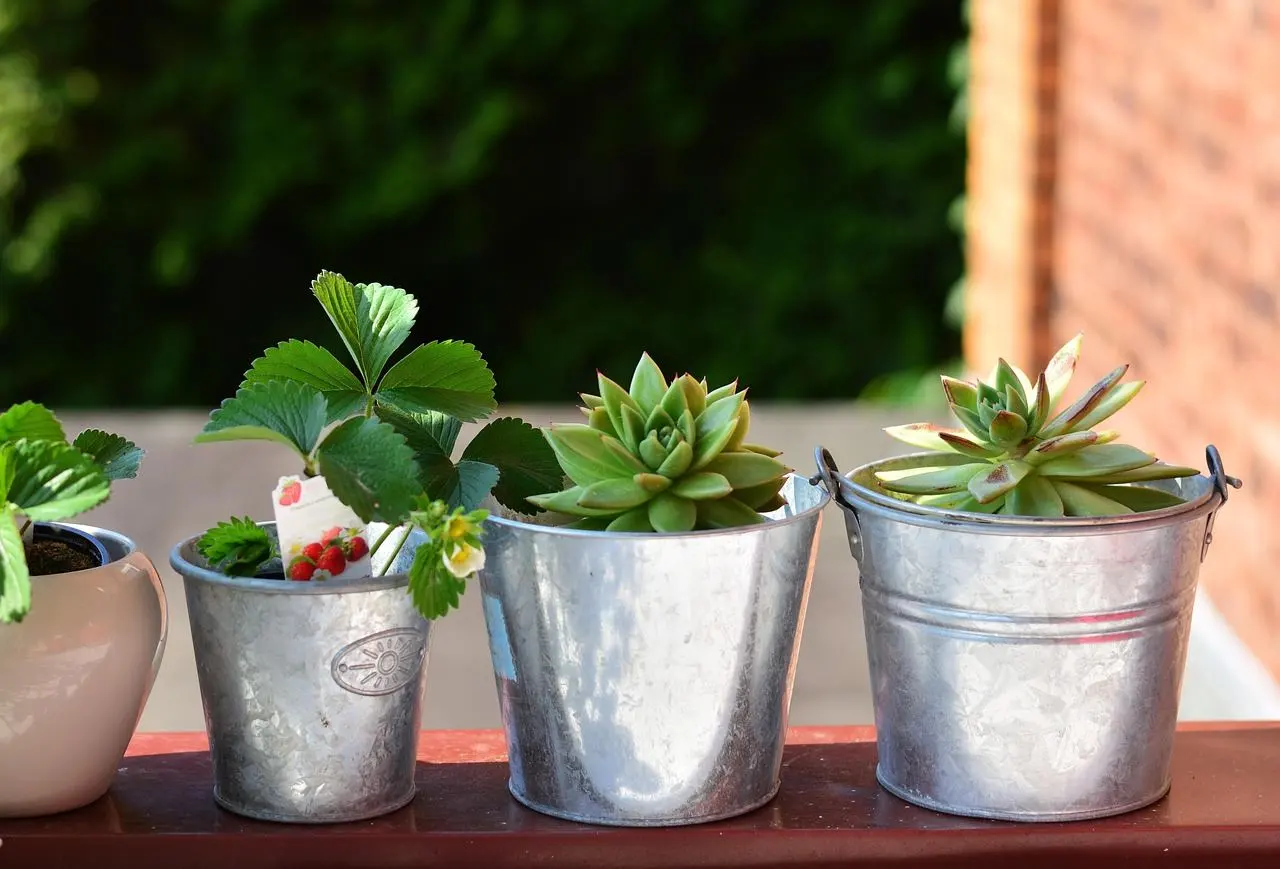
Pot volume should follow the crop. These are the minimum sizes Colorado State University Extension gives:
- Tomatoes, eggplant, peppers, cucumbers, cabbage and beans: 5 gallons at minimum (CSU Extension).
- Beets, carrots, lettuce and green onions: 3 gallons (CSU Extension).
- Most herbs and radishes: 1 gallon or less (CSU Extension).
When in doubt, size up. The same source suggests a slightly larger container with more soil, because it holds moisture and reduces maintenance, as Colorado State University Extension notes.
Colour matters more than you might expect. Dark container colors can raise potting mix temperatures, potentially injuring tender roots, according to University of Maryland Extension, so lighter pots are a safer pick for a hot balcony.
Which potting mix suits balcony containers?
Buy a bagged mix rather than digging soil from elsewhere. Colorado State University Extension says not to use native soil, even if you can pasteurize it.
A soilless mix is a natural fit for a balcony because it is two to three times lighter than potting soil that contains heavy soil. For top-heavy plants, the same source says you can add up to 10 percent of the container volume with clean, coarse sand for extra weight, per Colorado State University Extension.
Refresh the mix each year. Colorado State University Extension warns against reusing the same potting soil from the previous growing season because it may contain disease organisms.
If you also tend a plot at ground level, our guide on how to improve garden soil covers that side of the job.
Watering and heat on a balcony
Containers trade easy setup for thirstier plants. Colorado State University Extension lists the need for frequent watering and fertilization as the main disadvantages of container gardens.
Pot size sets the rhythm. Harvest to Table says small pots and window boxes will likely need water every day in warm and hot regions, while large pots can commonly hold soil moisture for three or more days.
Material changes the pace too. Containers made from porous materials such as clay, ceramic, concrete and wood dry out more quickly than plastic, resin, fiberglass or metal, per University of Maryland Extension. Even plastic pots may need watering once or twice a day as plants grow larger, according to Colorado State University Extension.
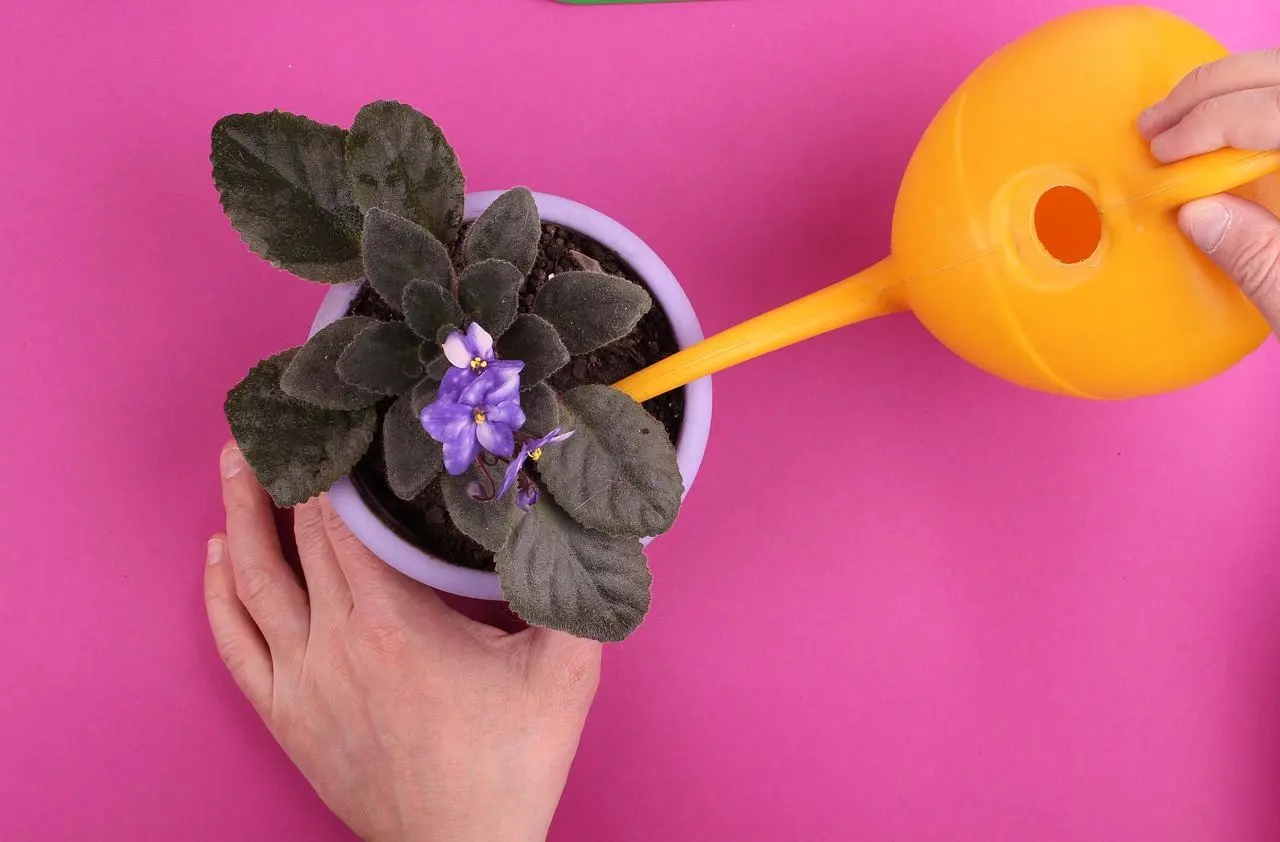
Keep a tap or watering can within easy reach. Some containers will need daily watering when the weather is hot and dry, as University of Maryland Extension points out.
Wheels help in a heat wave. Containers on wheels let you move plants toward sun or into shade, and Harvest to Table notes that plant caddies come with casters rated for the weight they can bear.
Which plants suit small balcony containers?
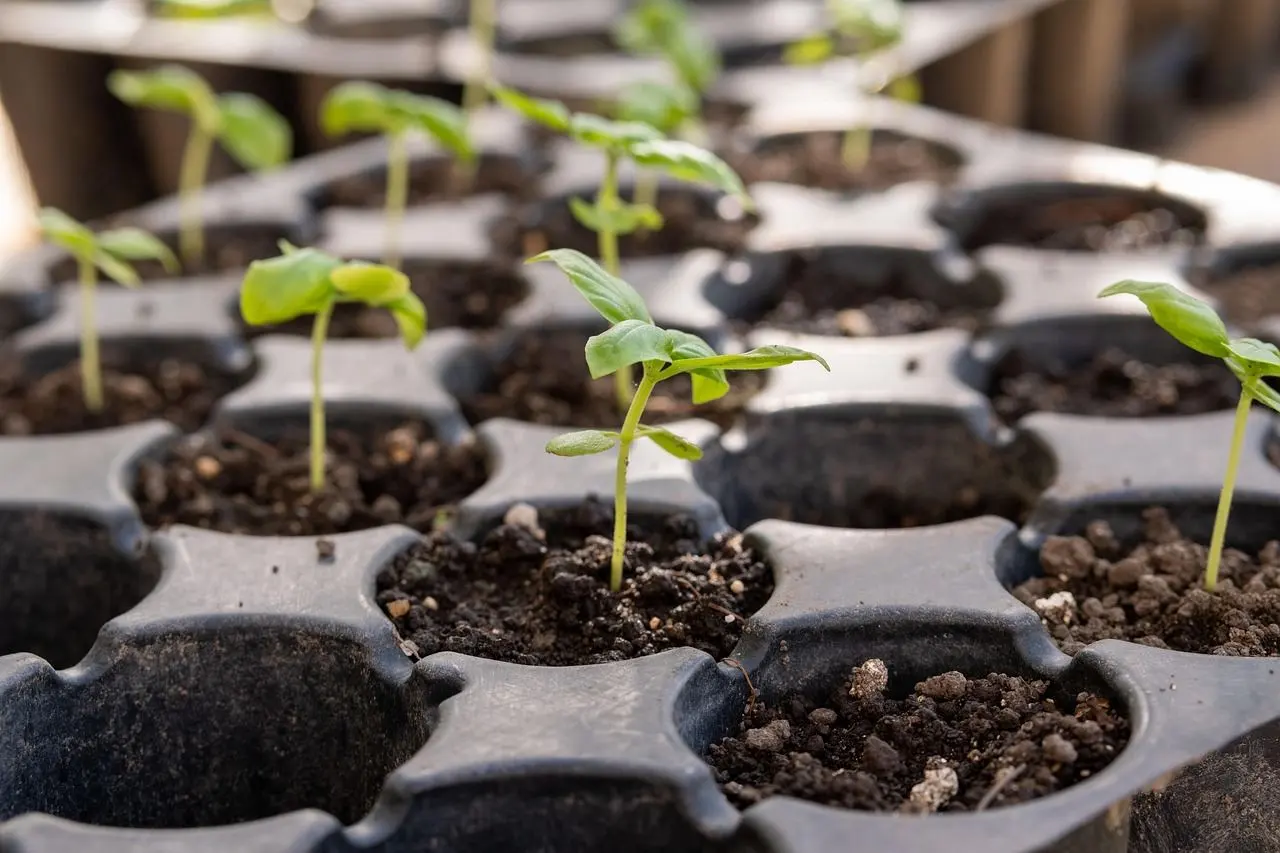
Good news for beginners: Harvest to Table says most vegetables and herbs will succeed in containers. Match the plant to your sun hours and pot size, and the rest is routine.
Easy starting points, based on the container sizes above:
- Lettuce and other leafy greens in a shallow, wide pot.
- Green onions and radishes, which fit small containers.
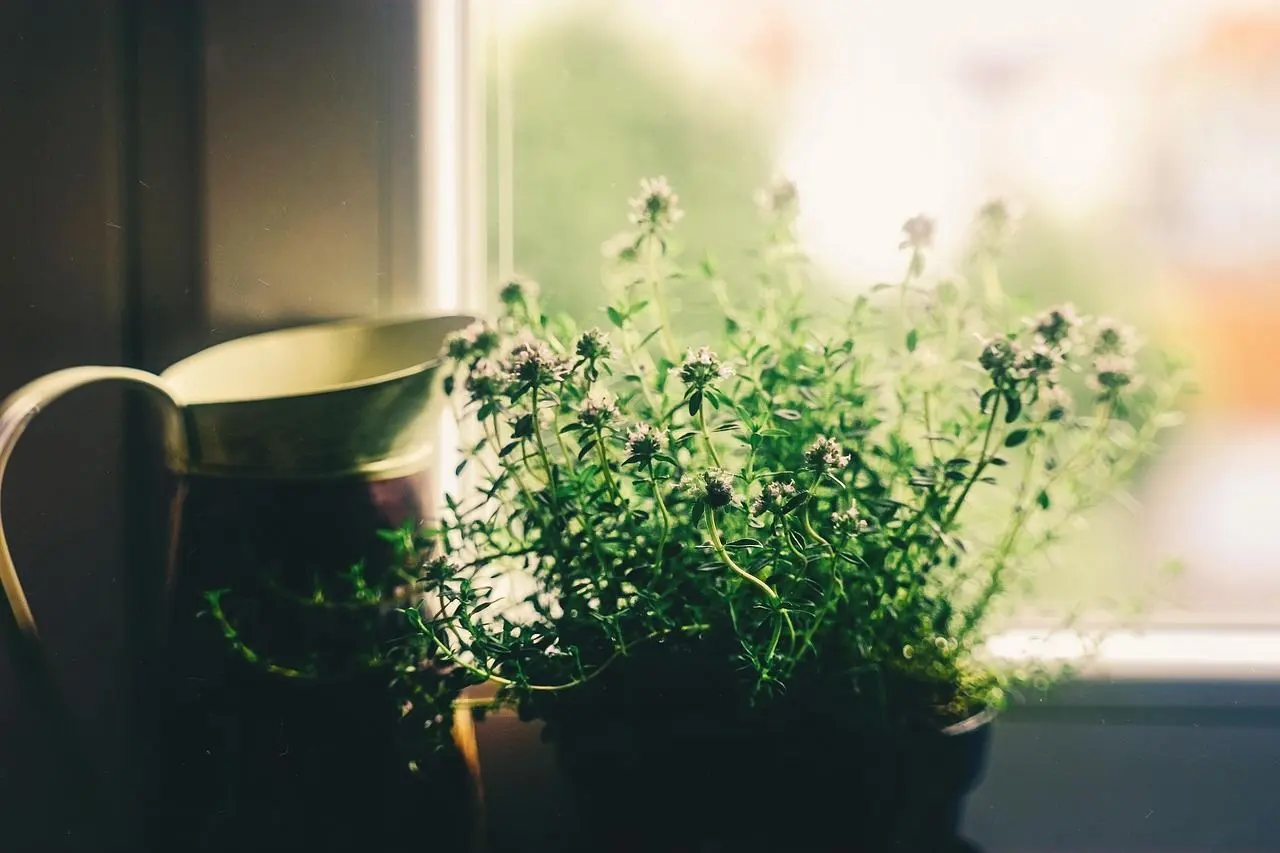
- Herbs, which suit the smallest pots.
- One tomato or pepper plant in a large container of its own.
If you would rather raise your own seedlings, read about how to start seeds indoors before the season begins. Begin with a few pots, watch how the light moves across your balcony, and add more once the routine feels easy.
Frequently asked questions
How big a pot does a balcony tomato need?
Show answer
Tomatoes sit in the largest size group at Colorado State University Extension, which names a five-gallon container as the minimum for them and for other fruiting vegetables such as eggplant. Going a little bigger gives the roots more moisture to draw on between waterings.
Can I use a decorative pot with no holes?
Show answer
Yes, with a workaround. Colorado State University Extension suggests either drilling several holes in the base or placing a lightweight pot that has drainage holes inside it as an insert. If you drill, follow the drill manufacturer’s instructions.
Do saucers cause problems on a balcony?
Show answer
They solve one problem and can create another. University of Maryland Extension says drained water could stain concrete and wood decking, and saucers help if you are gardening above a neighbor’s balcony. Tip them out regularly, because standing water can encourage root rot or breed mosquitoes.
Is it safe to grow food in repurposed containers?
Show answer
Check what they held first. University of Maryland Extension advises avoiding containers that previously held detergents, paint, adhesives or chemicals, and says cracked, degraded plastic should not be planted with edible crops.