Not sure where to begin? Home gardening for beginners is easier than it looks: pick one sunny spot, start with a few easy crops, and keep the plot small enough to look after properly.
| Item | Value |
|---|---|
| Starter garden size | 25 to 50 square feet |
| Direct sun for vegetables | At least 6-8 hours a day |
| Water for most vegetables | About 1 inch per week |
| Lead level for safe growing soil | Less than 400 parts per million |
| Bush bean production window | About three weeks |
These figures come from University of Maryland Extension and NC State Extension. Guidance can change and local conditions vary, so check the source before you rely on the numbers.
Start small and choose the right spot
The easiest way to avoid feeling overwhelmed is to keep the plot modest. University of Maryland Extension says a good starter garden is 25 to 50 square feet, and you can always expand later.
Size matters for another reason. Nebraska Extension notes that a small, weed-free garden will produce more than a larger, poorly maintained one, and the Maryland guidance adds that a vegetable garden needs daily attention, even if only a little.
When you are ready for a step-by-step plan, read the guide on how to start a vegetable garden.
Check light, water and neighbours
Sun is the first test. NC State Extension says vegetables need at least 6-8 hours of direct sunlight each day, while Nebraska Extension gives 6 hours as the minimum and 8-10 hours as ideal.
Then walk the space and run through the site checklist from University of Maryland Extension:
- Water: a hose should be able to reach the garden from an outside spigot or hydrant.
- Competition: trees and shrubs can block sunlight and limit airflow, and their roots interfere with vegetables.
- Wildlife: if deer live nearby, build a deer fence before planting the first crops.
- Access: make sure you can reach every part of the garden, with room for paths, hoses and carts.
Which garden style suits you: pots, raised beds or the ground?
University of Maryland Extension notes that vegetables and herbs can be grown in three basic styles: containers, raised beds, or flat in-ground beds. Each has trade-offs:
- Containers: growing in pots is a great way to start, and containers can be inexpensive and placed on decks and balconies.
- Raised beds: the soil drains well and does not get compacted, but you pay for labour and materials up front.
- In-ground beds: flexible and inexpensive to set up and maintain, though they may need more weeding than raised beds.
If space is tight, Nebraska Extension points out that many vegetables suit containers, from a patio or deck to a balcony or kitchen doorstep. Larger pots also dry out more slowly than small ones in hot weather. Ideas for compact layouts are in the guide to balcony container gardening.
For tomatoes, University of Vermont Extension advises looking for varieties bred for pots when space is a limitation. The details are in the guide to how to grow tomatoes in pots.
One tidy way to organise a small bed is square foot gardening. The same Vermont source describes putting one vegetable crop or variety within a 1-by-1 foot block, as explained by UVM Extension.
Build healthy soil before you plant
Soil is where a little effort saves the most trouble later. NC State Extension recommends beginning with a soil test so you know which amendments you might need.
If you grow directly in the ground, University of Maryland Extension says testing should cover nutrients, acidity (pH) and whether the soil is safe for food, which means less than 400 parts per million of lead. Follow your local testing service’s instructions for taking and sending a sample.
Good soil is crumbly rather than muddy or hard and cracked, and water drains through it instead of sitting on top for hours after rain. The same guide calls organic matter, especially compost, the best way to improve it. Our guide on how to improve garden soil goes deeper, and how to make compost at home shows how to produce your own.
Raised beds and containers are a different case. University of Vermont Extension suggests looking for a high-quality raised bed or potting soil mix.
What should a beginner grow first?
Choose crops you will actually eat. University of Maryland Extension puts it simply: grow what you and your family like to eat.
NC State Extension lists leafy greens, root vegetables such as carrots or onions, beans, peas, tomatoes, peppers, squash and cucumbers as good beginner choices. Nebraska Extension calls carrots, radishes, beans, peas and salad greens some of the easiest vegetables to grow.
University of Vermont Extension highlights fast, rewarding options for a first season:
- Radishes: they go from seed to harvest in less than a month.
- Cut-and-come-again lettuce: snip the outer leaves for dinner and the plant keeps growing.
- Determinate tomatoes: these generally reach 3 to 4 feet in height and need a cage or support structure.
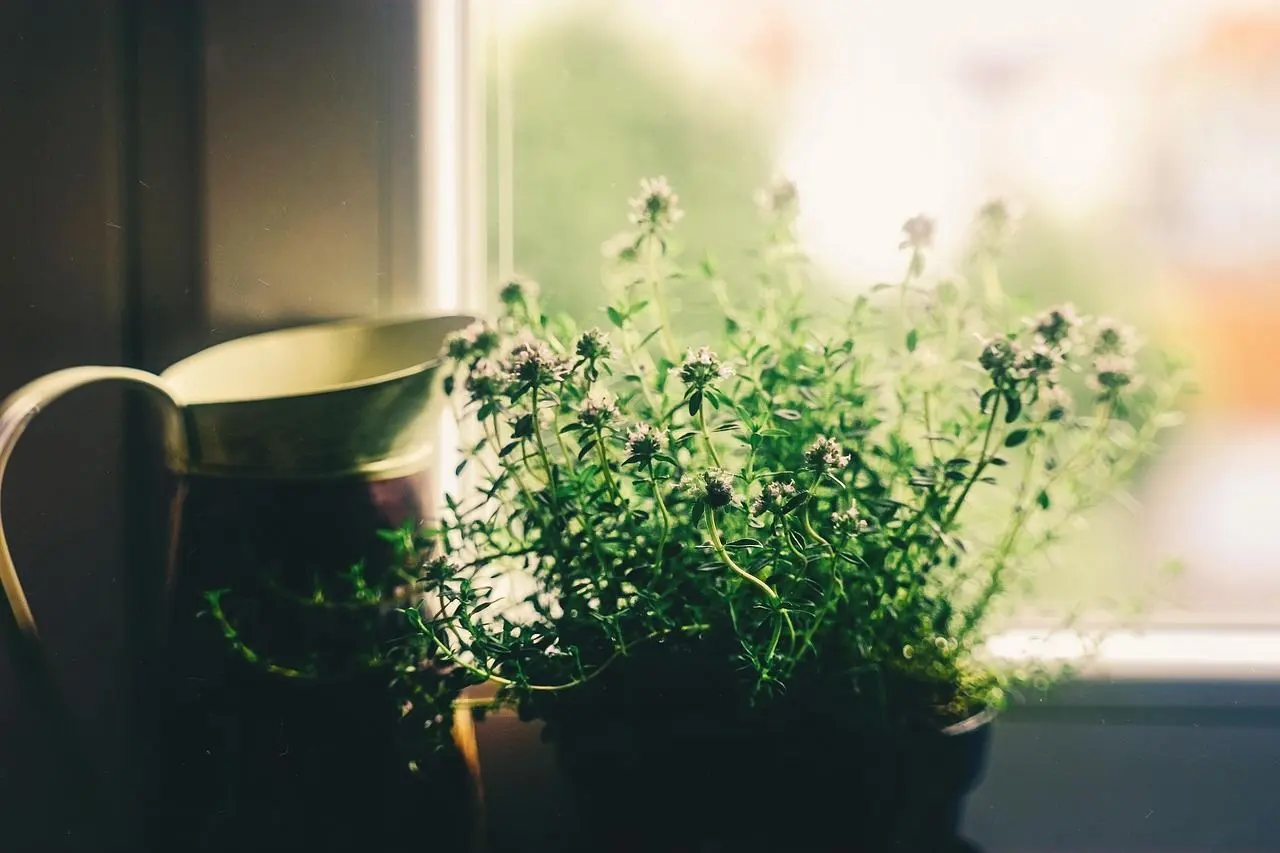
- Herbs: basil, oregano, thyme and chives grow well in containers and grow quickly.
If a windowsill is all you have, start with the best herbs to grow indoors. NC State Extension adds that many crops, like lettuce and herbs, can be harvested more than once, which makes them good value for a small space.
Set realistic expectations as well. University of Maryland Extension reminds growers that every crop has a harvest period: bush bean plants, for example, produce for about three weeks before declining naturally.
Planting times, watering and routine care
Timing depends on the crop. NC State Extension says cool-season crops such as lettuce, spinach and radishes go in during early spring or fall, while warm-season crops such as tomatoes, peppers and squash wait until after the last frost. Seed packets and plant labels give the best planting time for your zone.
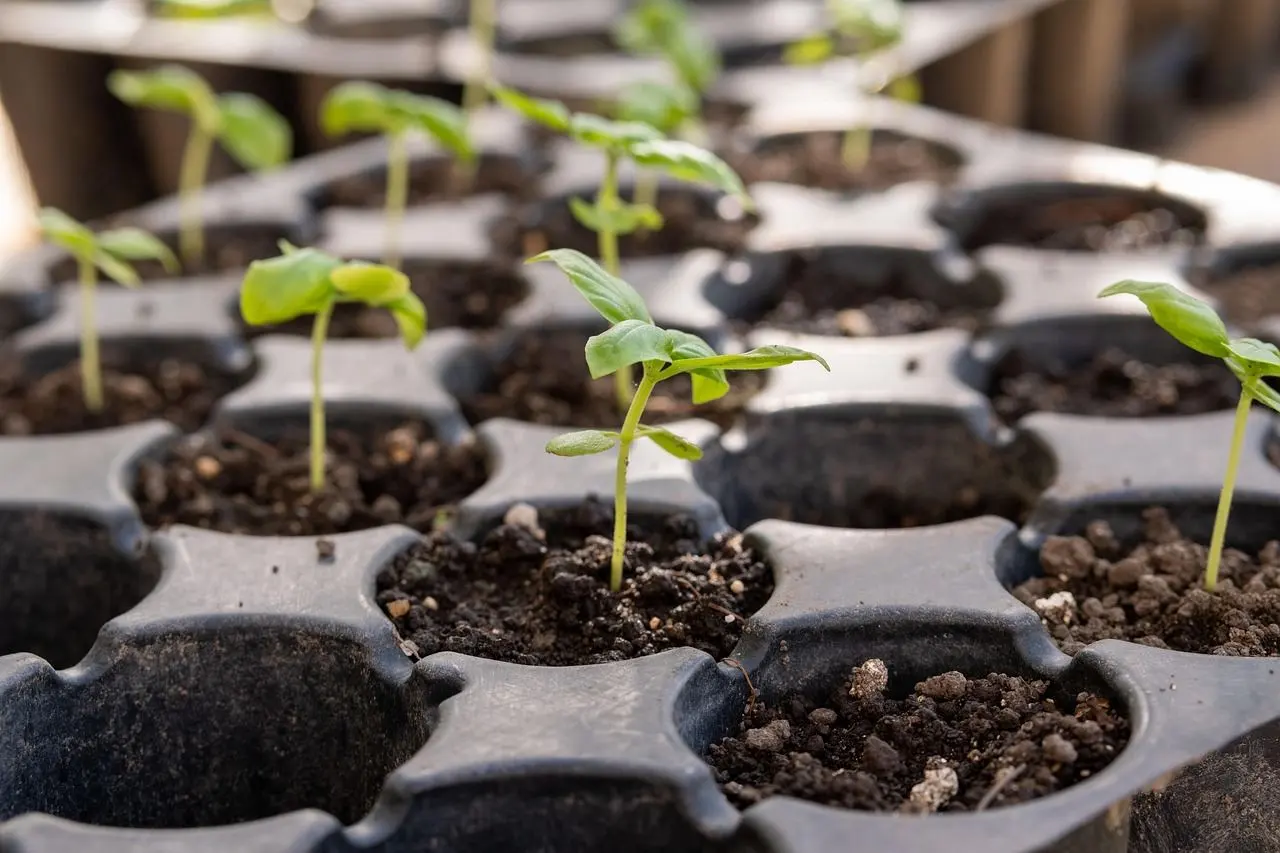
Nebraska Extension adds that you should find each crop’s preferred soil temperature and wait until the soil reaches it. Its tip for a steady supply is succession planting: sow a little seed every 7 to 10 days. If you would rather raise your own seedlings, follow the steps in how to start seeds indoors.
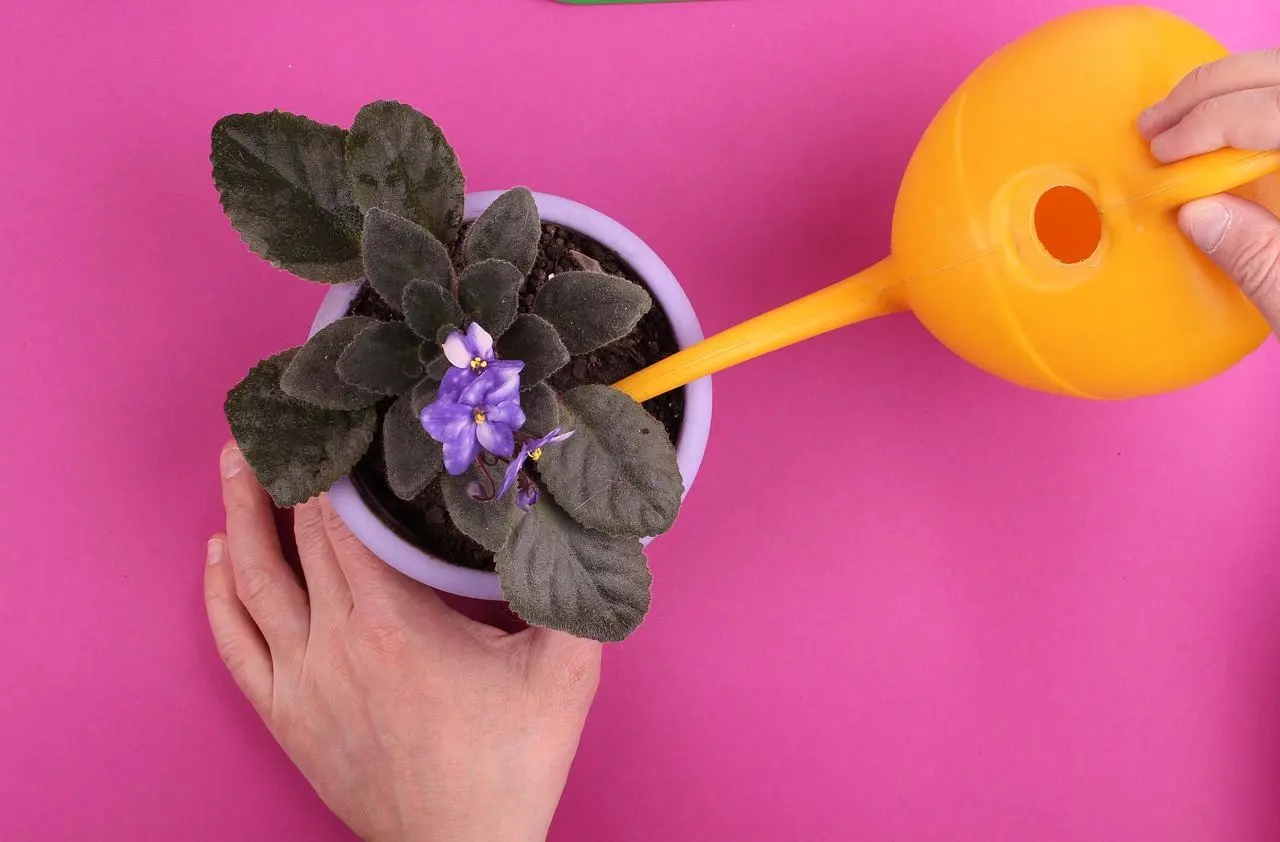
Watering is where many beginners guess. NC State Extension puts the usual need at about 1 inch per week, varying with temperature and soil type, and recommends deep, consistent watering in the morning. Overwatering can lead to root rot.
Weeds compete with crops for nutrients and water, so remove them regularly. Mulch helps suppress weeds, retain moisture and regulate soil temperature, and NC State Extension suggests removing pests by hand, using row covers and attracting beneficial insects such as ladybugs.
A short routine, drawn from University of Vermont Extension and NC State Extension, keeps small problems small:
- Check your plants daily for pests and disease.
- Water at the base of each plant, at the soil line, so the moisture goes where it is needed most.
- Pull weeds before they take hold.
- Harvest often, because the more you pick, the more the plant will produce.
- Note what grew well and what did not.
Simple tools, notes and gardening beyond the plot
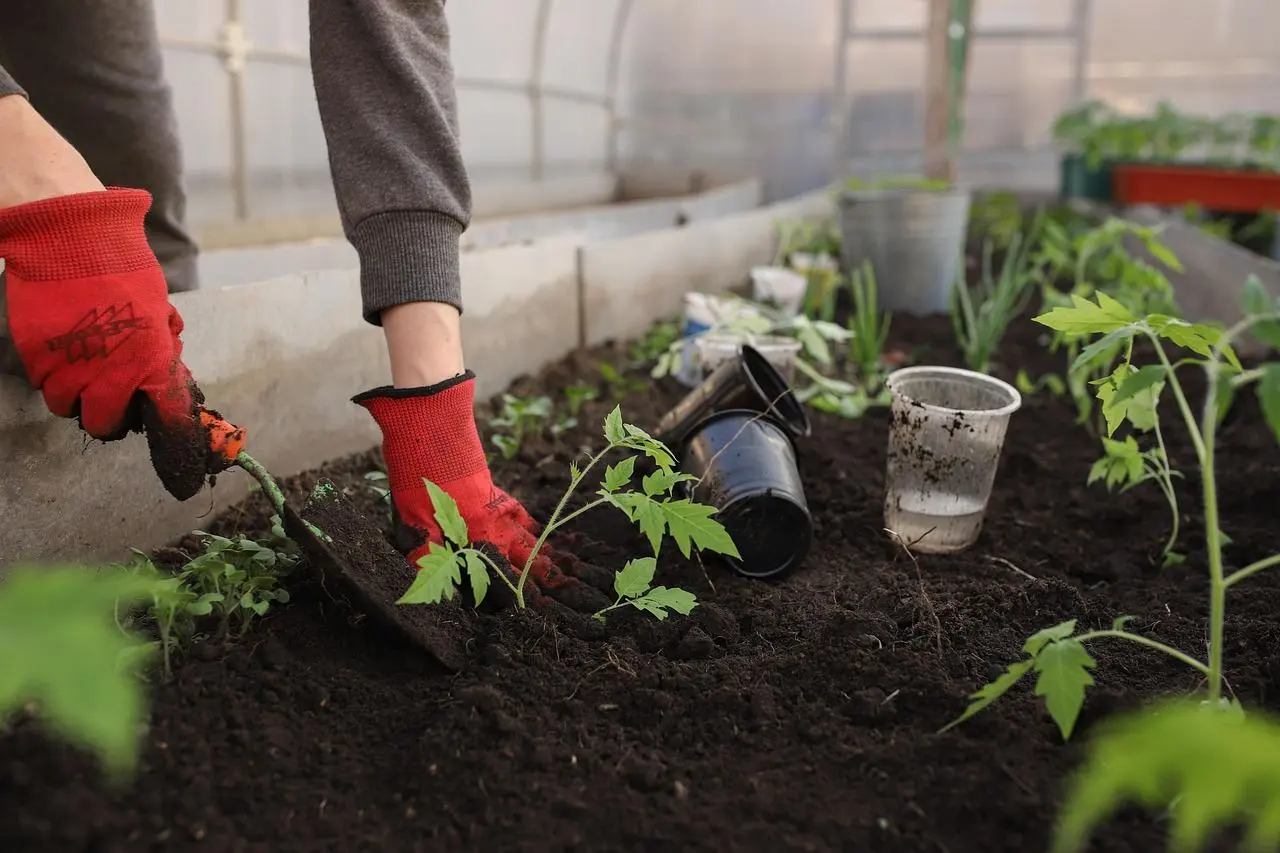
University of Vermont Extension says you do not need expensive tools to get started. A few basics will carry you through the first season:
- A sturdy hand trowel for digging and transplanting.
- Gardening gloves, which come in a wide variety of styles.
- A hand cultivator for weeds, though it may be unnecessary in containers.
- A watering can or hose nozzle to keep plants hydrated.
Notes are the cheapest tool of all. University of Maryland Extension suggests recording how crops did, which pests appeared and how weather affected the garden, because those records help prevent problems next season.
Vegetables need direct sunlight, as NC State Extension explains, so a dim home calls for a gentler start. The best houseplants for low light are a sensible first step for shady rooms.
Plants also shape how a room looks and feels, and the interior design basics can help you place pots and planters well. A shelf or bin by the door keeps trowel and gloves together, and the home organization guide shows how to set one up.
Frequently asked questions
How big should my first garden be?
Show answer
Smaller than you might expect. Maryland’s extension guidance for beginners suggests 25 to 50 square feet, and a season of notes will show you how much more you can manage. Source: University of Maryland Extension.
Can I garden without a yard?
Show answer
Yes. Nebraska Extension describes patio, deck, balcony and kitchen doorstep gardens as ways to grow vegetables when you lack ground space. Choose compact or bush-type plants, as its guidance recommends: Vegetable Gardening for Beginners.
How often should I water?
Show answer
Think in weekly totals: NC State Extension gives about 1 inch of water as a starting point, then adjusts for heat and soil. Watering in the morning reduces evaporation, and soaking thoroughly beats frequent light sprinkles. Source: NC State Extension.
Do I need to test my soil?
Show answer
If you plant directly in the ground, yes. A test shows nutrient levels, acidity and whether the soil is safe for growing food, according to University of Maryland Extension. Pots filled with fresh potting mix are a separate situation.
What if some of my crops fail?
Show answer
It happens to everyone. Maryland’s extension guidance says even experienced gardeners have unsuccessful crops or seasons, and those become valuable lessons. Write down what went wrong and adjust next time: Planning a Vegetable Garden.