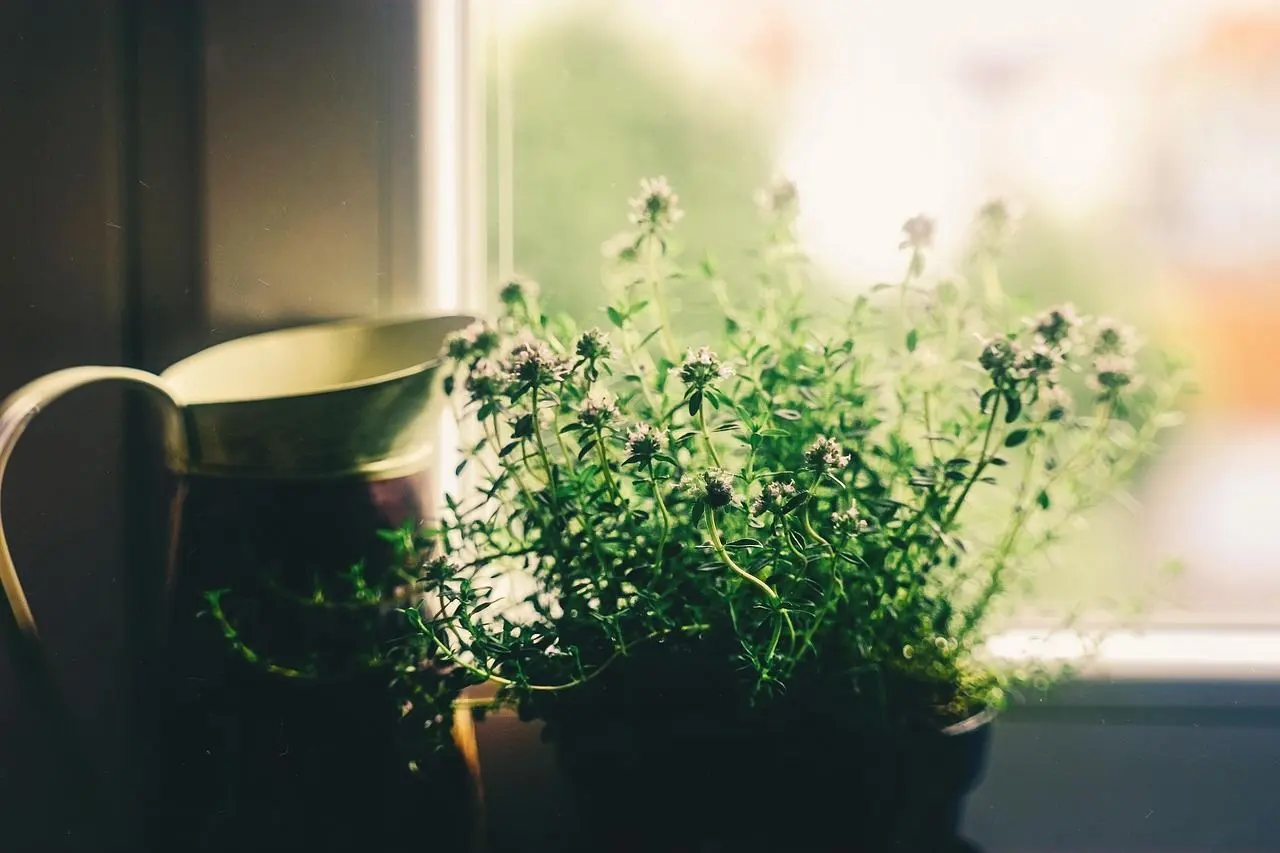
Not sure which herbs will survive on your windowsill? The best herbs to grow indoors are parsley, mint, chives, basil, oregano, cilantro and thyme.
This guide belongs to our series on home gardening for beginners, so every step stays simple.
| Item | Value |
|---|---|
| Direct light most herbs want indoors | Around eight hours a day |
| Smallest suggested pot | 6-inch diameter, with a drainage hole |
| Optimal growing temperature | 60 to 70°F |
| Grow light distance from leaves | 6 to 12 inches |
| Grow light timer setting | 12 to 16 hours a day |
| Harvest from perennial herbs | Top one-third of growth |
These figures come from Iowa State University Extension and University of Illinois Extension. Guidance can change, so check the source before you rely on them.
Which herbs are easiest to grow on a windowsill?
Iowa State University Extension says just about any herb has the potential to be grown indoors. A few tolerate indoor conditions better, because they cope with lower light, low humidity and cooler temperatures. Its starter list is:
- Parsley
- Mint
- Chives
- Basil
- Oregano
- Cilantro
- Thyme
Rosemary, sage, lemon balm, marjoram, chervil and bay laurel are the same source’s “try next” group. They can succeed indoors, but they need more light or tend to attract pests such as spider mites.
Light-limited homes may need to be choosy. A horticulturist quoted by Homes & Gardens suggests avoiding basil, cilantro (coriander), dill and chamomile if you lack bright south-facing windows and grow lights. That advice differs from the Iowa State list above, which shows how much your own window matters.
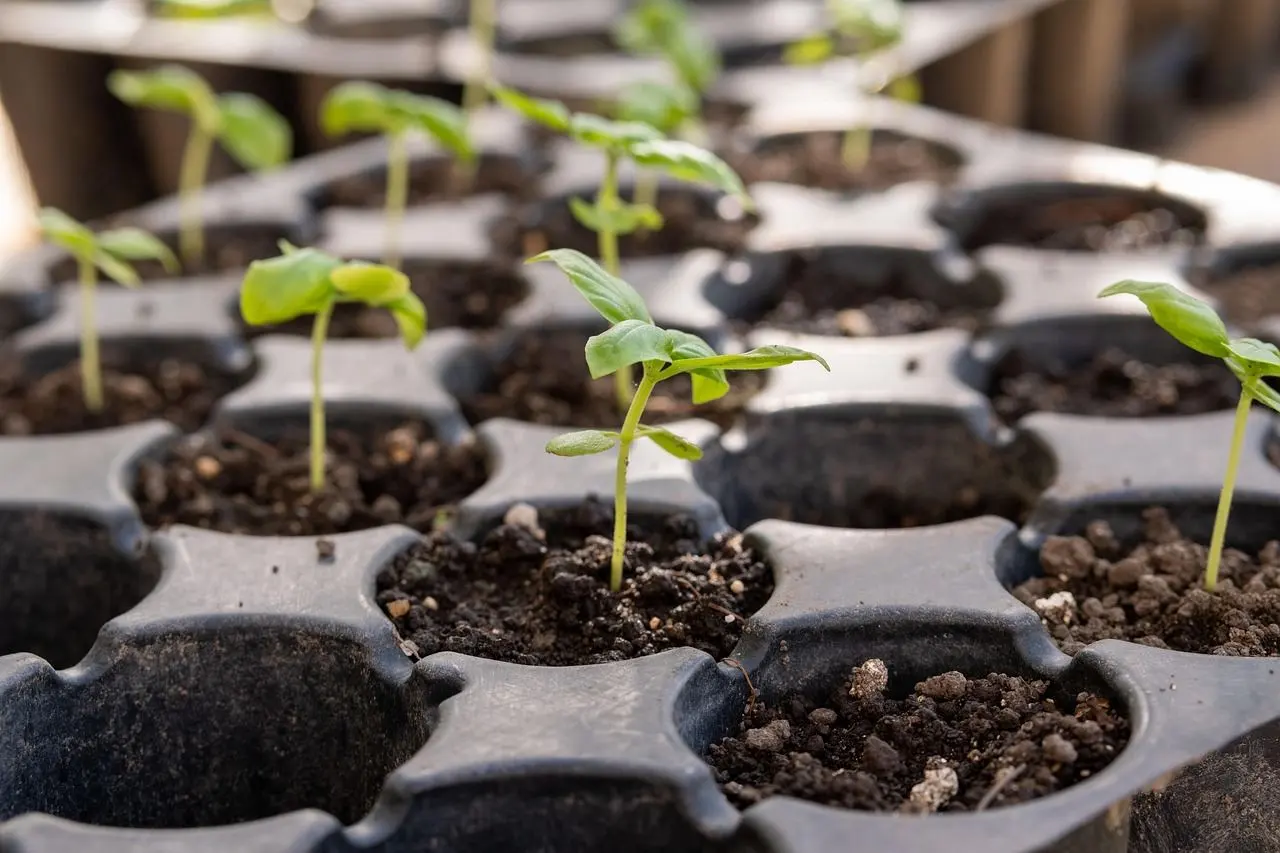
For a quicker start, young plants help. Illinois Extension says indoor herbs can be started from seeds or transplants from a garden center, and Homes & Gardens calls starting with young plants one of the easiest ways.
How much light do indoor herbs need?
Iowa State says most herbs need around eight hours of direct light a day, and some will tolerate as little as six hours.
A south-facing sunny window is the best candidate, though a bright east or west-facing window can work as well. Notes from This Old House show how needs vary by herb:
- Chives: between four and six hours of full sun daily.
- Parsley: approximately six hours of full sunlight daily.
- Sage: six to eight hours of direct sunlight daily.
- Mint: bright, indirect light.
When a window falls short, add a grow light. Iowa State advises full-spectrum lights in high-output fixtures, placed within 6 to 12 inches of the leaves, on a timer set for 12 to 16 hours a day.
Follow the fixture maker’s instructions, and call a qualified electrician for any wiring beyond plugging a light in.
Pots, soil and watering
Choose a pot with a drainage hole and well-drained potting soil. Illinois Extension suggests at least a 6-inch diameter container.
Bigger is not better: Iowa State warns that containers which are too large stay wet too long. It likes terracotta because the clay is porous and dries out more readily.
Homes & Gardens notes that clay and terracotta pots tend to dry out quickly, especially in winter. If your home is warm and dry, check those pots more often, as its article suggests glazed pots as an alternative.
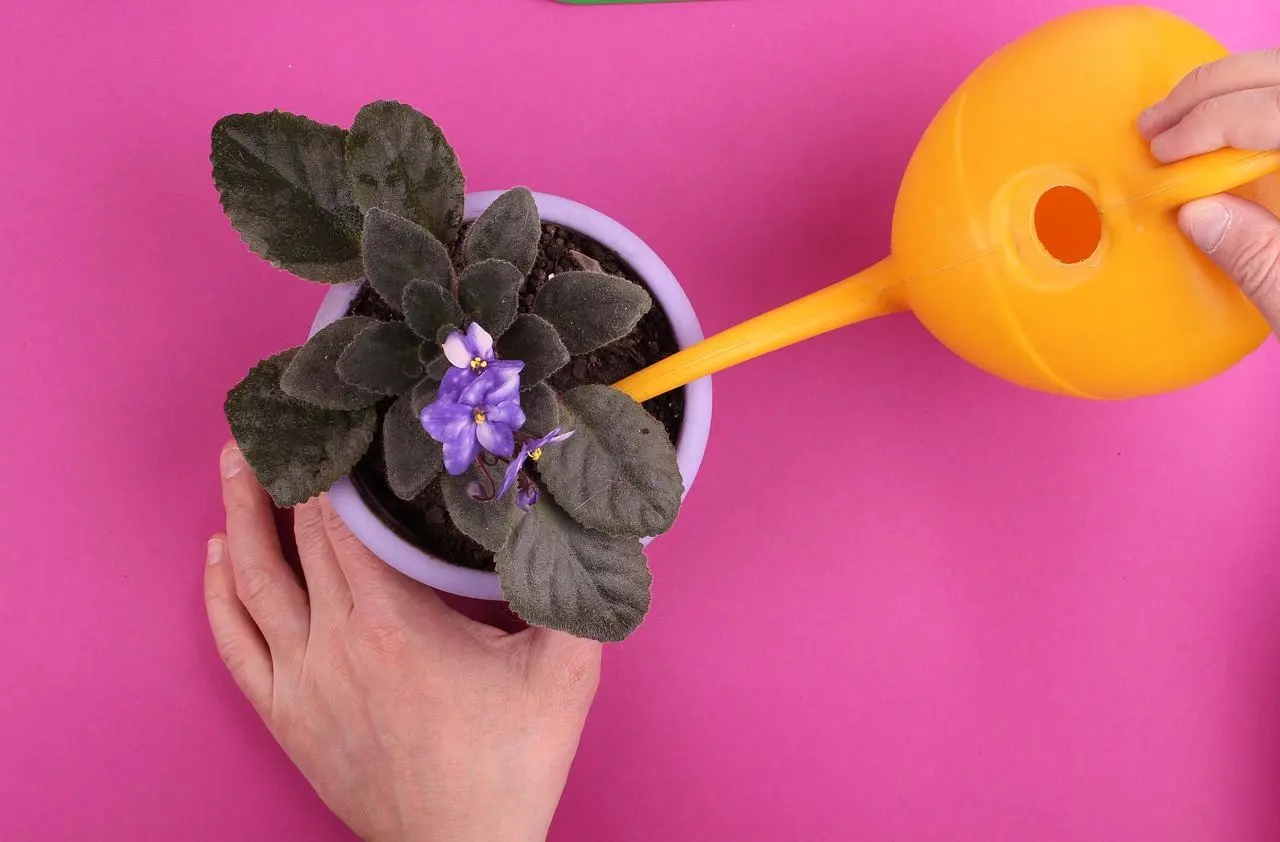
Most herbs do not tolerate wet soil, so let the top dry between waterings. Rosemary should never dry out completely, while sage prefers to dry out until just before the leaves wilt, as Illinois Extension explains.
Feed lightly. Iowa State recommends an all-purpose solution at half or quarter strength from early spring through summer, with no feeding in winter, while Illinois Extension suggests a liquid feed every two weeks and warns that over-fertilizing can reduce aroma and taste. Because the schedules differ, follow the label on your product.
Temperature, humidity and airflow
Indoor temperatures suit herbs well. Illinois Extension gives an optimal range of 60 to 70°F and says to keep plants away from heat vents that may dry them out.
Two small habits help the air around your pots:
- Stand pots on a shallow tray of pebbles and water to raise humidity.
- Run a small fan in the room so air circulates and disease spreads less easily.
Harvesting and using indoor herbs
Harvest as you would outdoors, snipping as the kitchen needs. Leafy annuals such as basil, chervil and parsley can be cut back severely, according to Iowa State. Cut just above a leaf or pair of leaves and leave approximately 4 to 6 inches of stem.
Perennials need a lighter hand. On chives, mint, oregano and thyme, remove only the top one-third of growth, and replace old annuals from seed after several harvests.
Trimming often keeps plants compact and stops flowering, which Illinois Extension says decreases flavor. Cut a few inches down the stem rather than picking single leaves, and cut parsley and cilantro stalks at the base. The same page says to use three times the amount when swapping fresh herbs for dried.
When your windowsill feels easy, you can learn how to start a vegetable garden for a bigger harvest. You can also read about how to grow tomatoes in pots if you want a container crop next.
Frequently asked questions
Can I grow herbs indoors without a sunny window?
Show answer
Often yes, with a lamp. Iowa State describes setups ranging from a compact fluorescent bulb in a task light for a few plants to a plug-in 4-foot LED shop light for larger collections.
Can several herbs share one pot?
Show answer
It is better to keep them apart. The same Iowa State page says each species should have its own container, because one pot makes it hard to give several herbs the conditions they like.
Will indoor herbs taste as strong as garden herbs?
Show answer
Sometimes they will not. Iowa State reports that many indoor-grown herbs are milder than outdoor ones, though basil still tastes like basil in either place.
Can I move my herbs outside in summer?
Show answer
Some of them can. After frost danger has passed, Iowa State says perennial and tender perennial herbs such as rosemary, bay laurel and marjoram can go outdoors, so the harvest continues all summer.