Looking at a bare patch of lawn and wondering how to start a vegetable garden? Start small, pick a sunny spot, feed the soil with compost, and plant a few easy crops. That is enough for a first season.
This guide sits within the wider topic of home gardening for beginners, so it sticks to the first decisions that matter most.
| Item | Value |
|---|---|
| Good starter garden size | 25 to 50 square feet |
| Minimum sunlight | At least 6 hours of full sun a day |
| Compost layer to work into the soil | Two to three inch layer |
| Optimal soil pH | Around 6.5 (6.0 to 7.2 works for most vegetables) |
| Bush bean harvest period | About three weeks |
These figures come from University of Maryland Extension and UW-Madison Extension. They can change as advice is revised, so check the sources before you rely on them.
Pick a spot with sun, drainage and water
Most vegetables need full sun, which UW-Madison Extension defines as at least six hours of direct sunlight each day. NC State Extension in Clay County suggests 6-8 hours of direct sunlight each day. Watch your site through a whole day, because trees or buildings can shade it from late morning through the afternoon.
Walk the area with this checklist, drawn from UW-Madison Extension:
- Drainage: water should not puddle in the area or run through it during heavy rain.
- Frost and slope: avoid low spots where frost settles in late spring or early fall, and steep slopes where runoff or erosion could occur.
- Water access: choose a spot where a hose reaches, so dry spells are easy to handle.
- Black walnut: keep the garden out of the root zone of black walnut trees, and remember that tree roots can grow three to five times the height of a tree away from the trunk.
- Utilities: make sure no underground utility lines run under the planting area.
Before you dig, contact your local utility-locating service and follow a qualified professional’s advice if you are unsure where lines run. Utility work is not a job to guess at.
University of Maryland Extension adds that the site should be level, with no tall objects or trees blocking sunlight on the south side. If you need to garden on a slope, it says to create a terrace first. It also advises leaving room for paths, hoses and garden carts so every part of the bed is reachable.
If none of your spots gets enough light for vegetables, the best houseplants for low light are a gentler way to start growing things indoors.
Choose containers, raised beds or in-ground beds
Your space decides the format. University of Maryland Extension describes three basic types:
- Containers: they can be inexpensive and fit many spots, including decks and balconies.
- Raised beds: the soil drains well and does not get compacted, though they need upfront labor and materials.
- In-ground beds: they are flexible and inexpensive to set up, but may need more weeding than raised beds and some extra work if you are converting lawn.
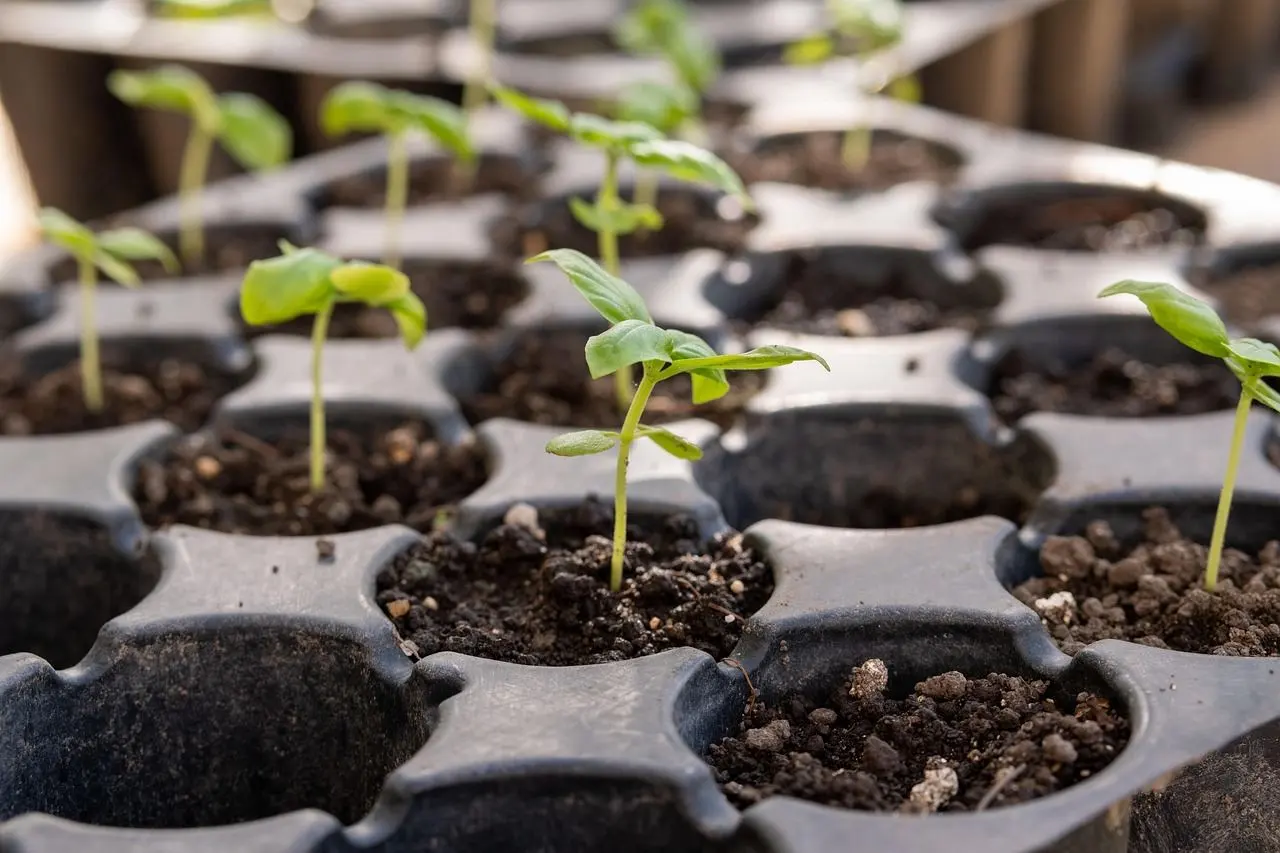
If you have only a patio or deck, NC State Extension also points to raised beds or container gardening as the answer when space is limited. Pots are the lowest-commitment way in.
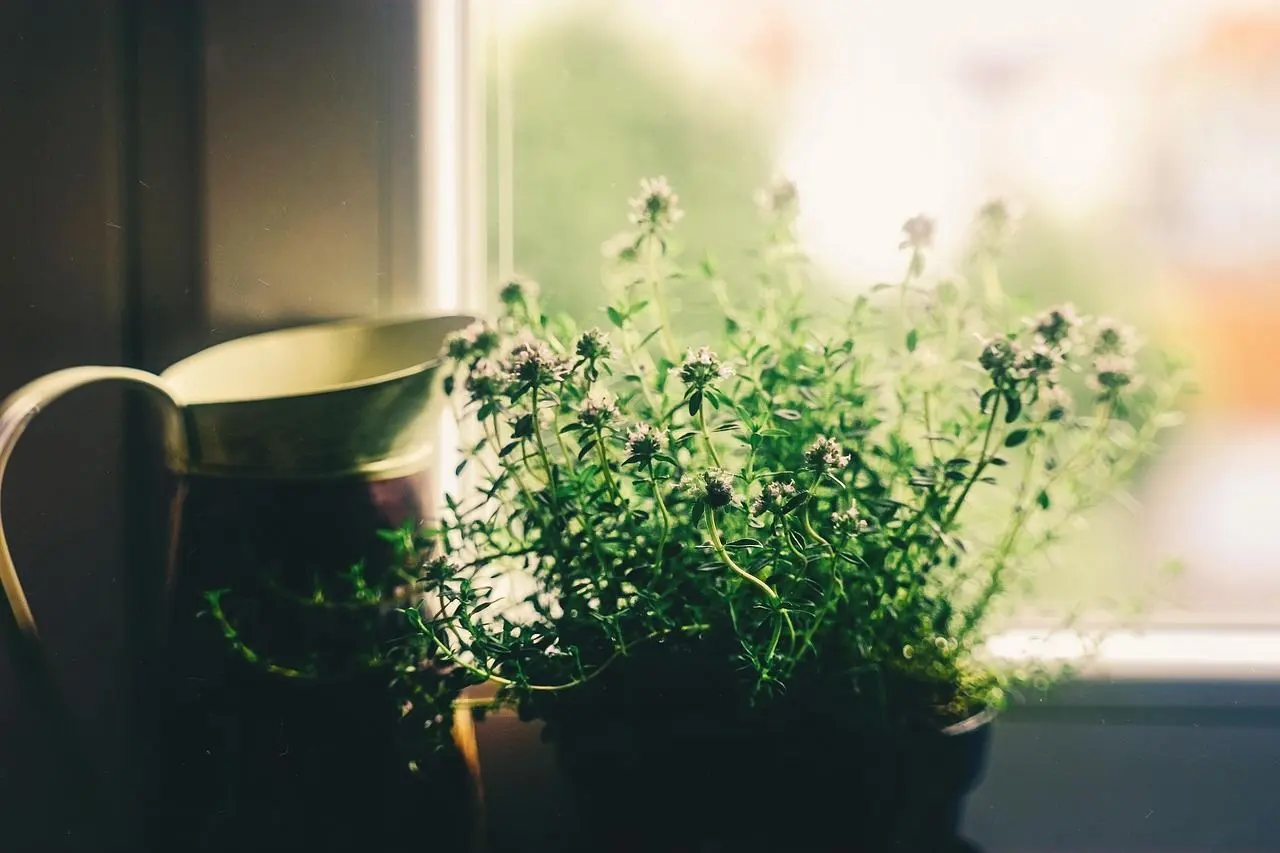
A sunny windowsill suits a few leafy plants too, and the best herbs to grow indoors make a sensible first experiment.
Size matters more than format. A good starter garden is 25 to 50 square feet according to University of Maryland Extension, and you can expand once you know how much time you really have.
Prepare the soil before you plant
Good soil does more for a beginner than any gadget. UW-Madison Extension suggests starting the year before planting if you can, using these steps:
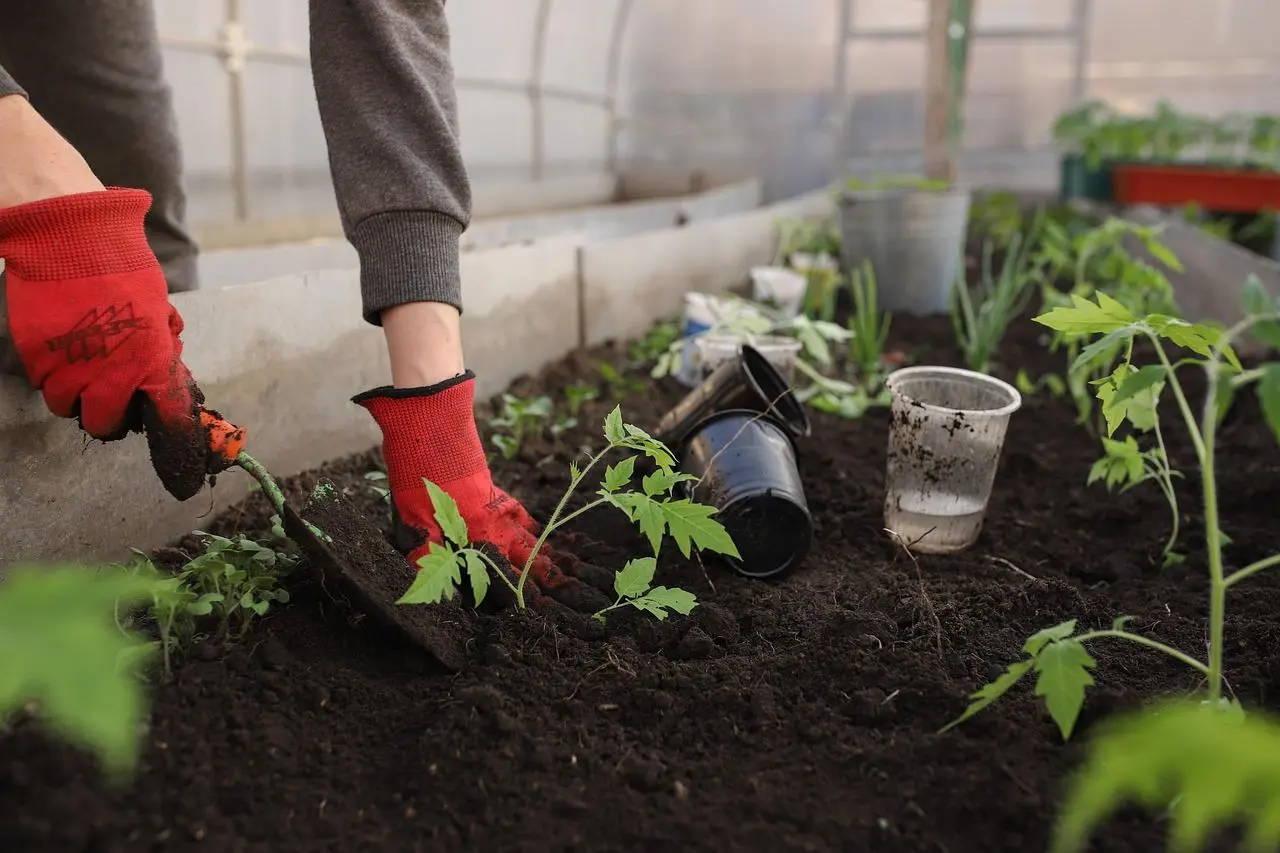
- Remove existing vegetation, especially grass, by hand with a shovel or with a rented sod cutter.
- Cover whatever remains with cardboard, a tarp or black plastic to smother it.
- Work a two to three inch layer of compost into the soil at least a month before planting.
- Smooth the surface so the bed is ready when the weather suits your crops.
Compost earns its place because it helps sandy soils hold more moisture and nutrients, and it makes clay soils lighter and better drained. It also supplies trace nutrients plants need.
A soil test through a certified lab is worth the small effort. It reports soil type, pH, organic matter, and phosphorous and potassium levels, then recommends what to add. The ideal pH for vegetables is around 6.5, and most grow well anywhere from 6.0 to 7.2, according to the same UW-Madison page.
If you grow directly in the ground, University of Maryland Extension says the soil should be crumbly rather than muddy or hard and cracked. Water should drain through it instead of sitting on top for hours after rain.
What should a beginner grow first?
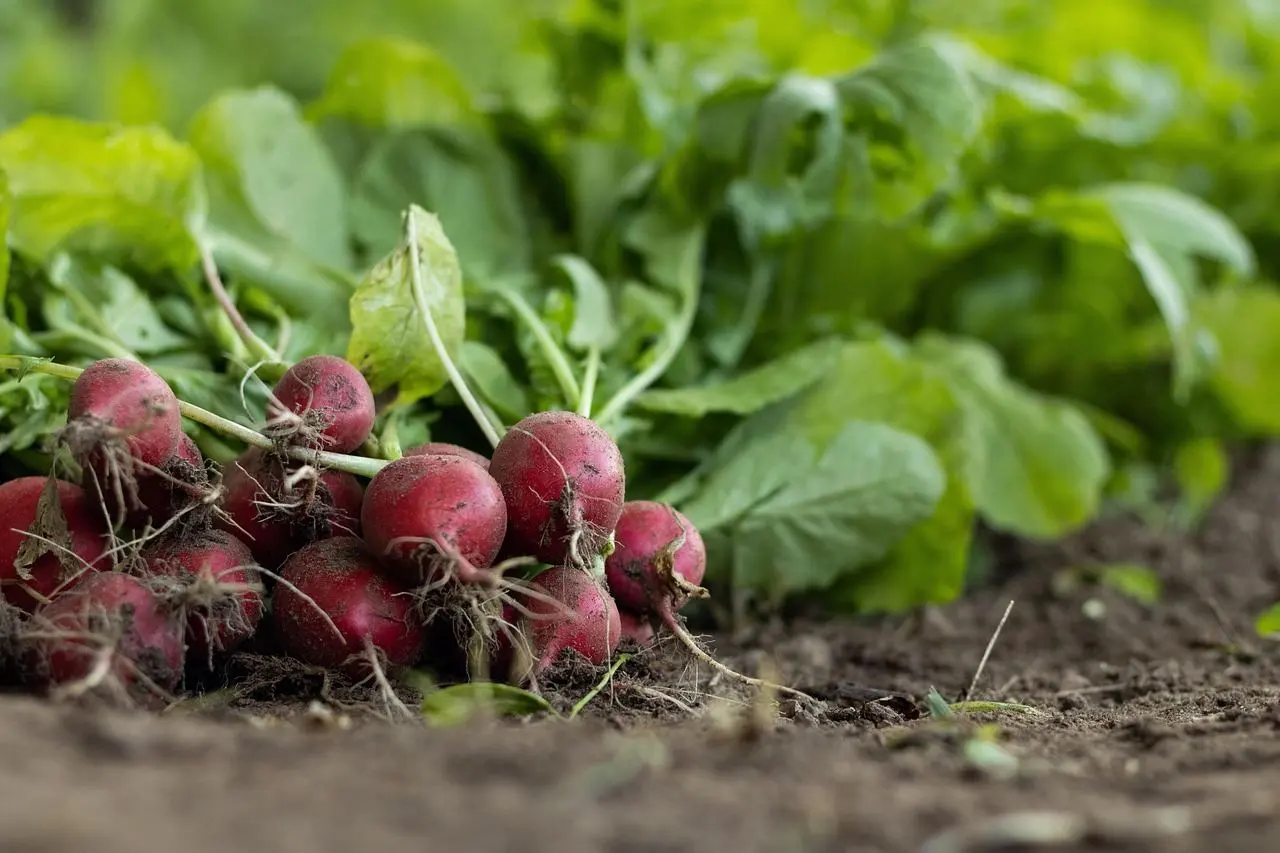
Pick crops you actually like to eat, and keep the list short. UW-Madison Extension names beans, beets, herbs, lettuce, onions, potatoes, radishes, squash and tomatoes as good options for first-time gardeners.
Give each plant room to grow. Crowded plants are less productive, harder to maintain and more prone to disease, so check seed packets for spacing. Bush varieties of vining crops such as squash take much less space, and tomatoes should be trellised so mature plants do not touch.
A few layout habits save trouble later, based on University of Maryland Extension:
- Sketch a simple map first, so you know how much space each crop needs.
- Put taller crops on the north and west sides so they do not shade shorter sun-loving plants.
- Grow upward where you can, with trellises for pole beans, cucumbers and tomatoes.
- Follow a quick crop such as lettuce or radishes with summer crops in the same place, adding compost between plantings.
Drawing the map to scale on graph paper is a simple way to confirm everything fits, as UW-Madison Extension suggests.
Water, weed and keep notes
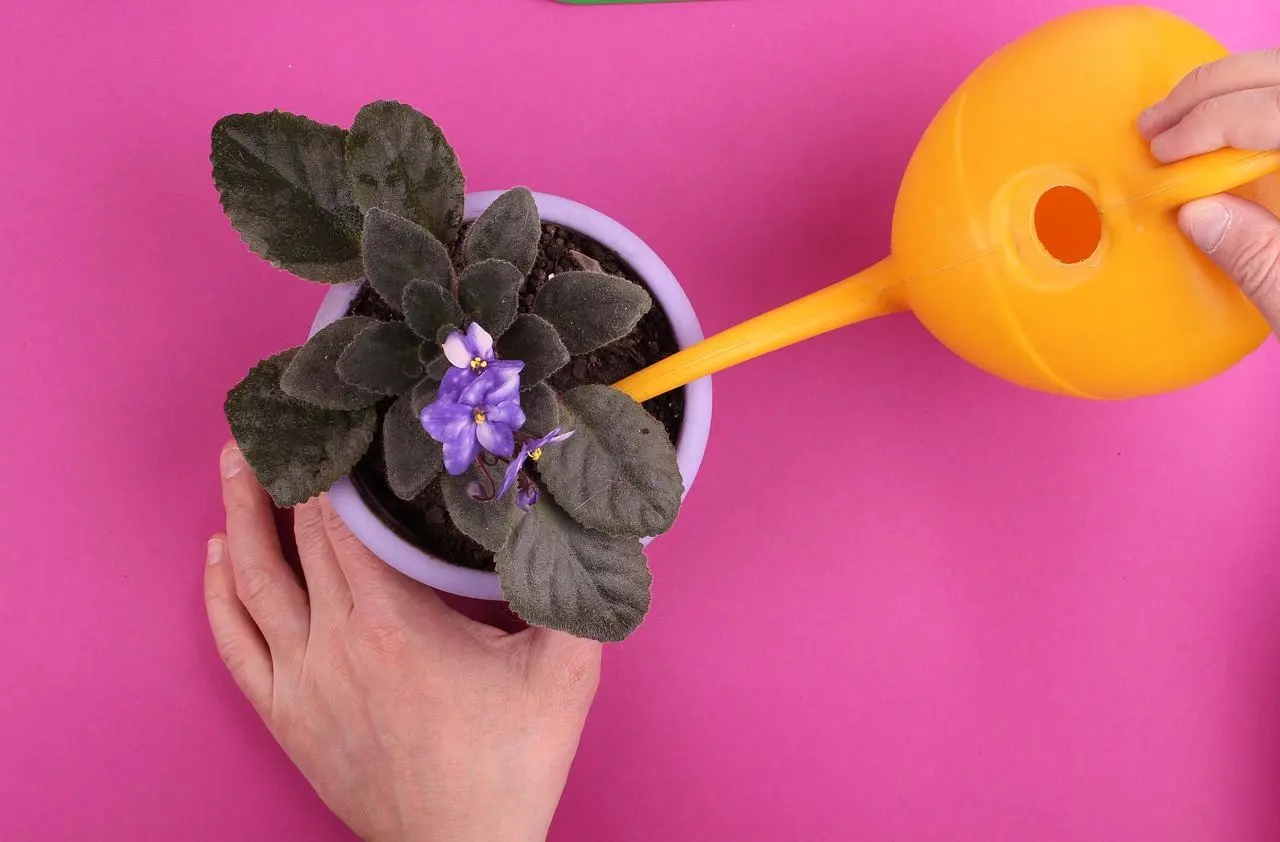
Most vegetables need about 1 inch of water per week, though NC State Extension notes this shifts with temperature and soil type. Water deeply and consistently in the morning to reduce evaporation. Overwatering can lead to root rot.
Weeds compete with your crops, so pull them regularly. A layer of mulch helps suppress weeds, retain moisture and regulate soil temperature. For pests, the same page recommends hand removal, row covers and attracting beneficial insects such as ladybugs.
Expect some effort every day. University of Maryland Extension says vegetable gardens need at least a small amount of daily attention, and that crops do not produce food endlessly: bush bean plants, for example, produce for about three weeks before declining naturally.
Write things down as the season goes. Which crops thrived, which pests showed up and how the weather affected the bed will make next year easier.
Frequently asked questions
Can I start a vegetable garden without a yard?
Show answer
Yes. Pots on a deck, balcony or patio work, provided they get enough direct sun. University of Maryland Extension calls growing in pots a great way to start.
When should I plant my first crops?
Show answer
It depends on the crop. NC State Extension says lettuce, spinach and radishes go in during early spring or fall, while tomatoes, peppers and squash wait until after the last frost. Seed packets and plant labels give timing for your zone.
What if I skip the soil test before planting?
Show answer
You can still send a sample later and make changes to the soil. UW-Madison Extension warns, though, that adjusting soil once plants are in the ground is harder.
What if some of my crops fail?
Show answer
That happens to everyone. University of Maryland Extension says even experienced gardeners have unsuccessful crops or seasons, and that these serve as valuable learning opportunities.