You want to cut kitchen and garden waste and feed your soil, but the bin and the rules look confusing. Here is how to make compost at home: mix green and brown waste at around 50:50, keep it damp, and turn it.
This guide is one of our basics pieces on home gardening for beginners, so it sticks to what a first-time composter needs.
| Item | Value |
|---|---|
| Minimum size of a home-made heap | At least 1m x 1m |
| Green to brown ratio | Around 50:50 |
| Highest brown share if the heap is too wet | 75 per cent brown to 25 per cent green |
| Time to finished compost | Six months to a couple of years |
| Never add to a standard bin | Meat or fish, cooked or raw |
These figures come from the Gardeners’ World composting guide, published 25 October 2024. Guidance can change, so check the source before you rely on the numbers.
Why compost at home, and where should the bin go?
Gardeners’ World says home composting saves you money and avoids the need to buy and transport compost, which reduces your carbon footprint. It also turns green waste into something your soil can use, as the Gardeners’ World guide explains.
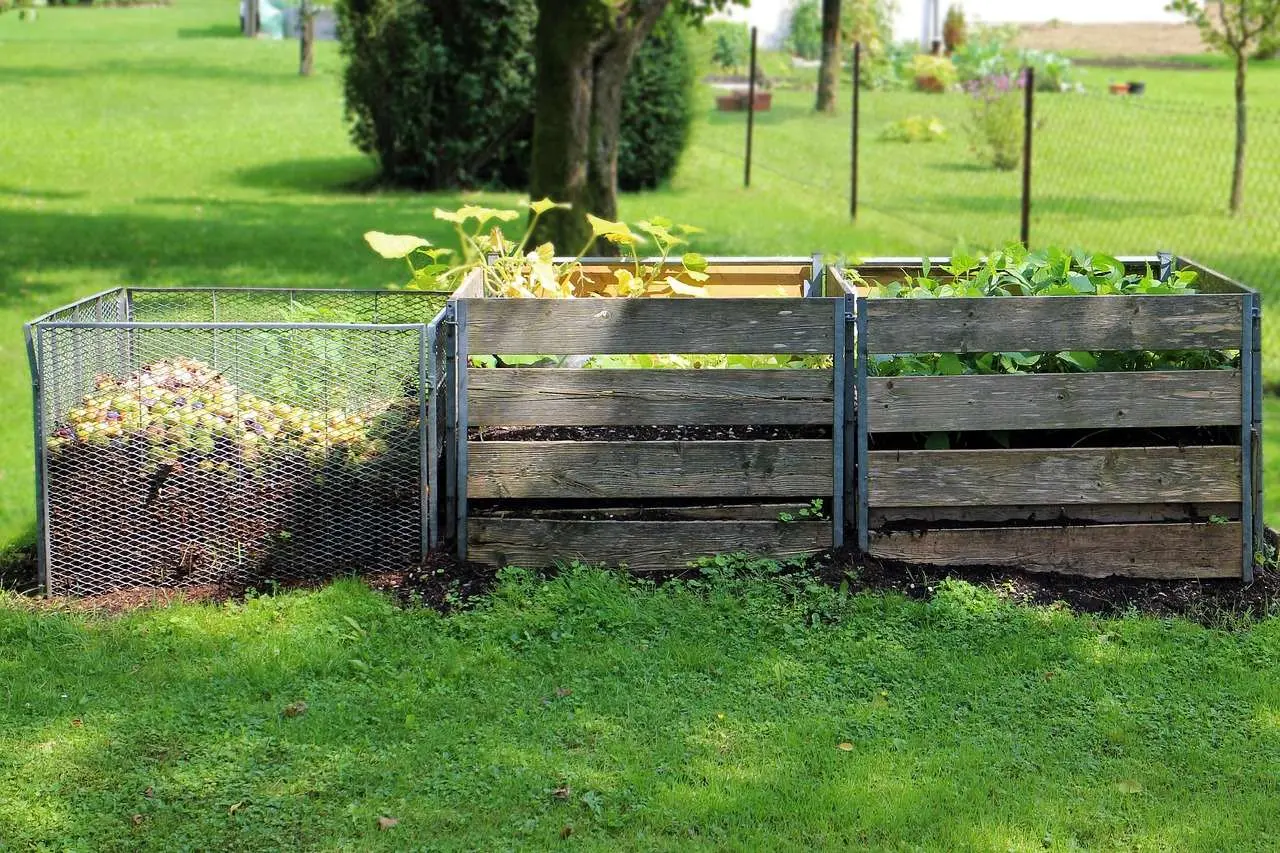
Size matters for a heap. A home-made one should be at least 1m x 1m to promote decomposition, and timber boards on the sides help it retain heat. Plastic bins can be smaller because they hold moisture and heat well.
Put the bin where you can reach it easily. The first rule of composting, according to the same guide, is that you will only use the bin regularly through the year if getting to it is no trouble.
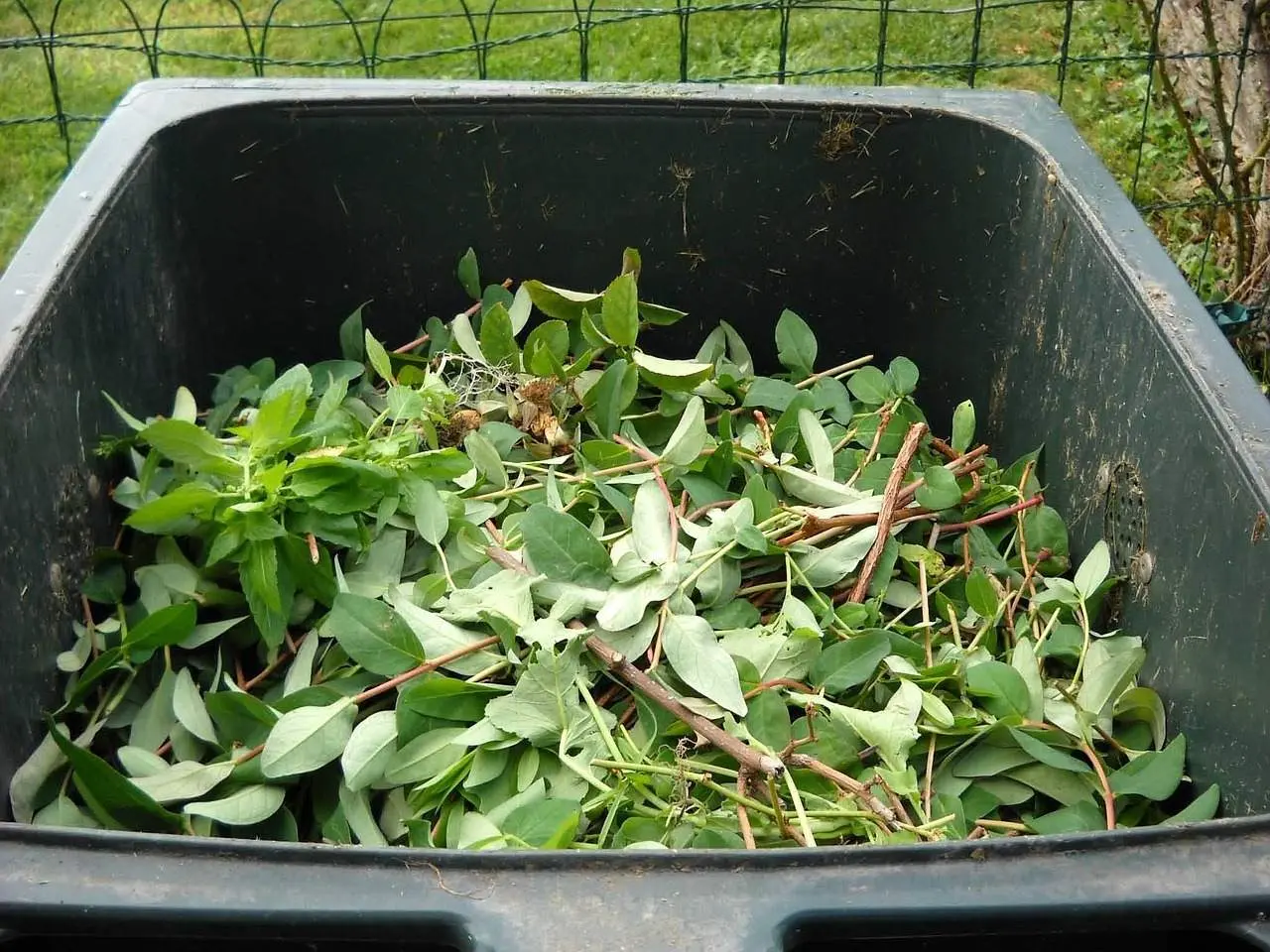
What should you put in the bin, and what stays out?
The best compost comes from a mix of ingredients. Gardeners’ World suggests a ratio of around 50:50 green to brown, which keeps both moisture and air in the heap. Both are needed for good decomposition, as the guide notes.
- Greens: soft, leafy material, grass clippings and kitchen peelings.
- Browns: chopped-up woody matter, cardboard and shredded paper.
Fruit and vegetable peel, plus produce that is past use, are valuable additions. Woody or semi-woody stems should go through a shredder first if possible, or they will take forever to rot down.
Keep meat and fish, cooked or raw, out of a standard bin or heap. They turn rancid, which brings harmful bacteria and attracts rats.
How do you turn and look after the heap?
Mixing the contents speeds up decomposition, so turn the material as often as you can. Move it from the sides of the bin or heap into the centre, where the temperature builds up and kills off many harmful bacteria.
Wear gloves and a dust mask while you turn it. Gardeners’ World says the health risks are relatively low, but the gear protects your hands and helps you avoid breathing in airborne micro-organisms.
A working heap also becomes a habitat. Hedgehogs, frogs and slow worms may visit, while millipedes, brandling worms and the larvae of beneficial beetles live inside it, according to the same source.
How do you fix common compost problems?
Most trouble comes down to balance. Check the list below against what your heap looks and smells like, using advice from Gardeners’ World.
- Too dry and fibrous: you may be adding brown waste and larger prunings without breaking them up. Rip cardboard into smaller pieces, shred prunings, and make sure enough green waste goes in.
- Too wet and smelly: this usually means too much green waste. Add more brown waste, going as high as 75 per cent brown to 25 per cent green if necessary.
- Big piles of grass clippings: tipping a large pile in at once is more likely to cause problems. Add smaller portions mixed with brown waste.
- Slow to rot: recheck the brown-to-green balance and turn the heap more regularly to aerate it.
When is your compost ready to use?
Compost should break down in six months to a couple of years, depending on the size and temperature of your bin or heap. It is ready when it looks dark and crumbly and smells pleasantly earthy, per Gardeners’ World.
Gardening Know How, in its guide last updated 24 October 2024, says compost is often called black gold because it is rich in nutrients and beneficial microbes. It can be worked into the soil to improve structure and act as a natural fertilizer, or spread over the soil as mulch or a lawn top dressing.
If you grow in containers, our guide on how to grow tomatoes in pots covers the planting side. Our walkthrough on how to start seeds indoors covers sowing.
Frequently asked questions
Can I compost if I only have a small space?
Show answer
Usually, yes. Gardeners’ World says you can make compost in all but the very smallest of spaces, and bokashi composting can be done in a small space inside the house.
Are flies in my compost a problem?
Show answer
A few are normal: fruit flies, fungus gnats and other small flies are part of the ecosystem. If they multiply, rebalance green and brown materials and cover the top of the heap with a layer of cardboard or soil.
How can I make compost faster?
Show answer
Hot composting uses a specially insulated bin so the compost reaches much higher temperatures and finishes much faster than ordinary home composting. Bokashi ferments food waste with a special bran and, per Gardeners’ World, produces compost in less than half the time of conventional composting.
Should I turn the heap if hedgehogs might be hibernating in it?
Show answer
Hold off. Gardeners’ World advises not turning the heap in that case, so you avoid disturbing the sleeping animals, even though turning normally helps material rot faster.