Got a dim room that makes every plant sulk? The best houseplants for low light are snake plant, ZZ plant, pothos and cast iron plant, which tolerate shade and the odd missed watering.
If you are new to plants, the wider guide to home gardening for beginners is a good place to start.
| Plant detail | Value |
|---|---|
| Snake plant, typical height | Three to four feet tall |
| ZZ plant, average watering interval | Every two to three weeks |
| Bamboo palm, preferred temperature | 65 to 75 degrees Fahrenheit |
| Cast iron plant, leaf length | Up to 18 inches |
| Pothos, leaf length | 2 to 6 inches |
These figures come from University of Illinois Extension and Iowa State University Extension. Sizes and watering needs vary by cultivar and home, so check the sources before you rely on them.
What counts as a low-light room?
Low light is more common than most people expect. University of Illinois Extension says the areas beside an east or north-facing window count as low light, as do spots several feet from a window that get no direct sun.
Shade can also come from large trees, porches, overhangs, window coverings and neighbouring buildings. Any of them can leave a plant with little or no direct sunlight.
The same Extension post sums up the approach: success depends on choosing the right plant for the right place. Instead of forcing a sun-lover into a gloomy corner, pick species that evolved to cope with less light.
There is a trade-off. Low-light plants tend to be less showy, with discreet flowers and muted colours, but they are also less demanding, growing slower and needing less water, according to the Illinois source.
The best low-light houseplants to start with
Iowa State Extension picked its easy plants by a few practical criteria: tolerance of low light, of dry soil and of low humidity, plus good looks with minimal care. These are the ones that match your dim room best, drawing on Iowa State’s list and the Illinois guide.
- Snake plant: it will grow in a room with very little natural light and also copes with a bright one. Let the soil dry out completely between waterings.
- ZZ plant: glossy, dark green leaves that do exceptionally well in low light and tolerate dry air and dry soil.
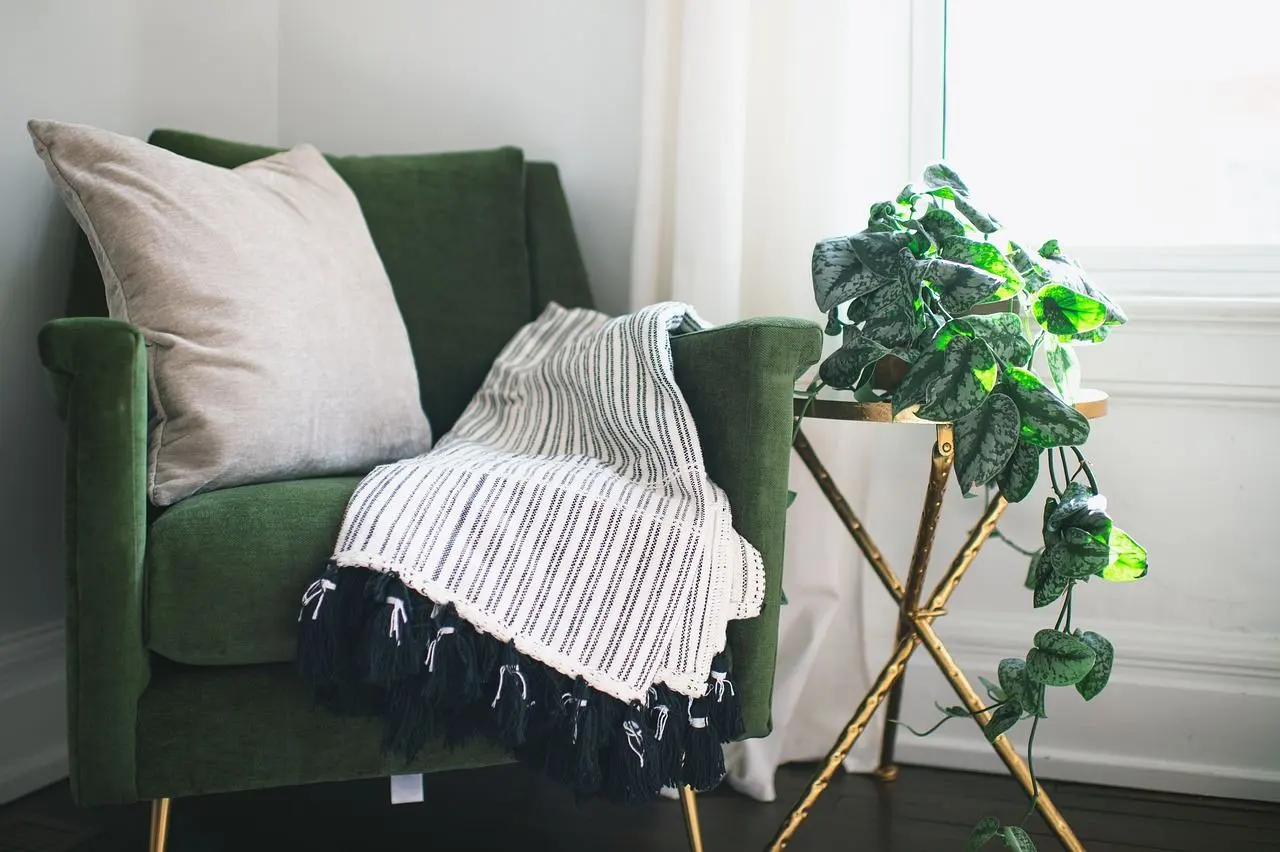
- Pothos: a trailing, forgiving plant that grows in low to moderate light. It roots quickly from stem cuttings.
- Cast iron plant: it endures heat, dust, low light and lack of water better than most other houseplants.
- Heartleaf philodendron: a trailing plant that grows in low to indirect light and tolerates low humidity.
- Peace lily: it grows in low light, though it flowers best in indirect sunlight. Its leaves wilt when it is dry and revive after watering.
Spider plant and peperomia are also easygoing. Spider plant prefers indirect light and sends out small plantlets you can pot up, while peperomia tolerates neglect but rots if over-watered, per Iowa State Extension.
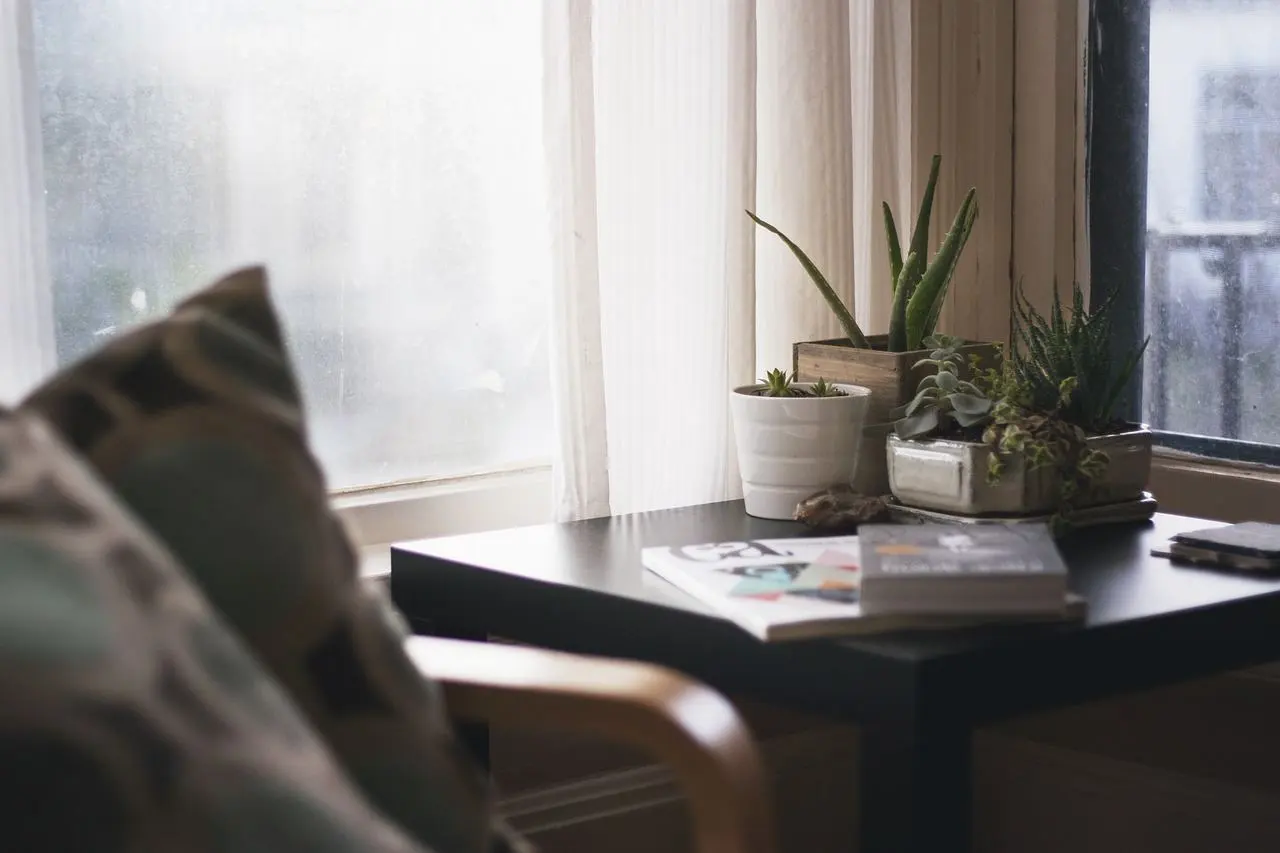
Illinois Extension also suggests Chinese evergreen, prayer plant, staghorn fern and spiderwort for dim spaces. Treat that as a shortlist to research rather than a promise that each one suits your exact room.
Palms and other taller options
Most tropical palms need bright light, but the bamboo palm is an exception, according to University of Illinois Extension. It has long arching leaves and an upright habit, and it grows best in warm rooms between 65 to 75 degrees Fahrenheit with high humidity.
Keep its soil moist and water when the top inch is dry, but never let it dry out completely. Repot only when the roots fill the pot, because the plant grows best with a restricted root system.
The ponytail palm is another statement plant, although Iowa State Extension notes it is not a true palm. It grows best in direct light but tolerates lower levels, and its bulbous base stores water, so it copes with dry conditions.
For height without fuss, snake plant is the simplest choice. As the table above shows, it typically reaches three to four feet, and the cultivar changes its leaf colour and final size.
Care habits that suit dim rooms
Slow growth changes how you look after a plant. Overwatering is the main hazard, since a plant in low light uses less water. Iowa State Extension says snake plant should be planted in well-drained soil and allowed to dry between waterings, and that overwatering is what kills it, according to its guide.
Match the routine to the species. The ZZ plant needs water on average every two to three weeks, while peace lily and bamboo palm prefer evenly moist soil. A quick finger test before each watering beats any fixed calendar.
Two small jobs help. Wash leaves occasionally to remove dust, advises Iowa State Extension, and mist bamboo palm foliage weekly if the air is dry.
A ZZ plant can even live under fluorescent lighting when a room has little or no natural light. All parts of it are poisonous, so keep it away from pets and children, as the Illinois post warns.
Once your indoor plants are settled, you can turn to the garden and learn how to improve garden soil for outdoor beds. If you want to grow food, the guide on how to start a vegetable garden is the next step.
Signs your plant needs more light
Because low-light plants grow slowly, it takes longer to confirm that a spot works. University of Illinois Extension lists the warning signs of a plant that wants more light:
- It becomes leggy or stretched.
- Its foliage turns a pale greenish-yellow.
- It drops leaves.
If you see these signs, move the plant a little closer to the window and wait several weeks before judging the result. A different species may suit the spot better.
Frequently asked questions
Can a plant live in a room with no window at all?
Show answer
Most cannot, but the ZZ plant is the example that Illinois Extension gives of a species able to manage under fluorescent lighting where natural light is scarce. Treat that as an exception and watch for pale or dropping leaves, as described by the Illinois source.
Which plant suits someone who forgets to water?
Show answer
Choose one that tolerates dry soil, such as ZZ plant or cast iron plant. Iowa State Extension says the ZZ plant is very tolerant of dry conditions and low humidity, so it earns a place among the near-indestructible options.
Why is my plant stretching toward the window?
Show answer
Stretching is a classic sign that the spot is too dim. Move it nearer to a window and check again after a few weeks, since slow growers show change slowly, as Illinois Extension explains.
Do I need to buy a special pot for a palm?
Show answer
No special pot is needed. Illinois Extension advises moving bamboo palm to a larger container only once the roots fill the pot, and Iowa State Extension recommends a container only slightly larger than the base for a ponytail palm.